

.webp)
.webp)
Your personal path to feelingYour personal path to feelingunshakeableunshakeabletodaytomorrowand beyondtoday
Using personalized programs, biotech, real-time biofeedback, and expert support, we help you get back to your best… and stay there.













Difference
Your everyday vitality, supported
yōjō’s wellness ecosystem breaks the stress-inflammation cycle and nurtures lasting psychological, physiological, and social well-being.
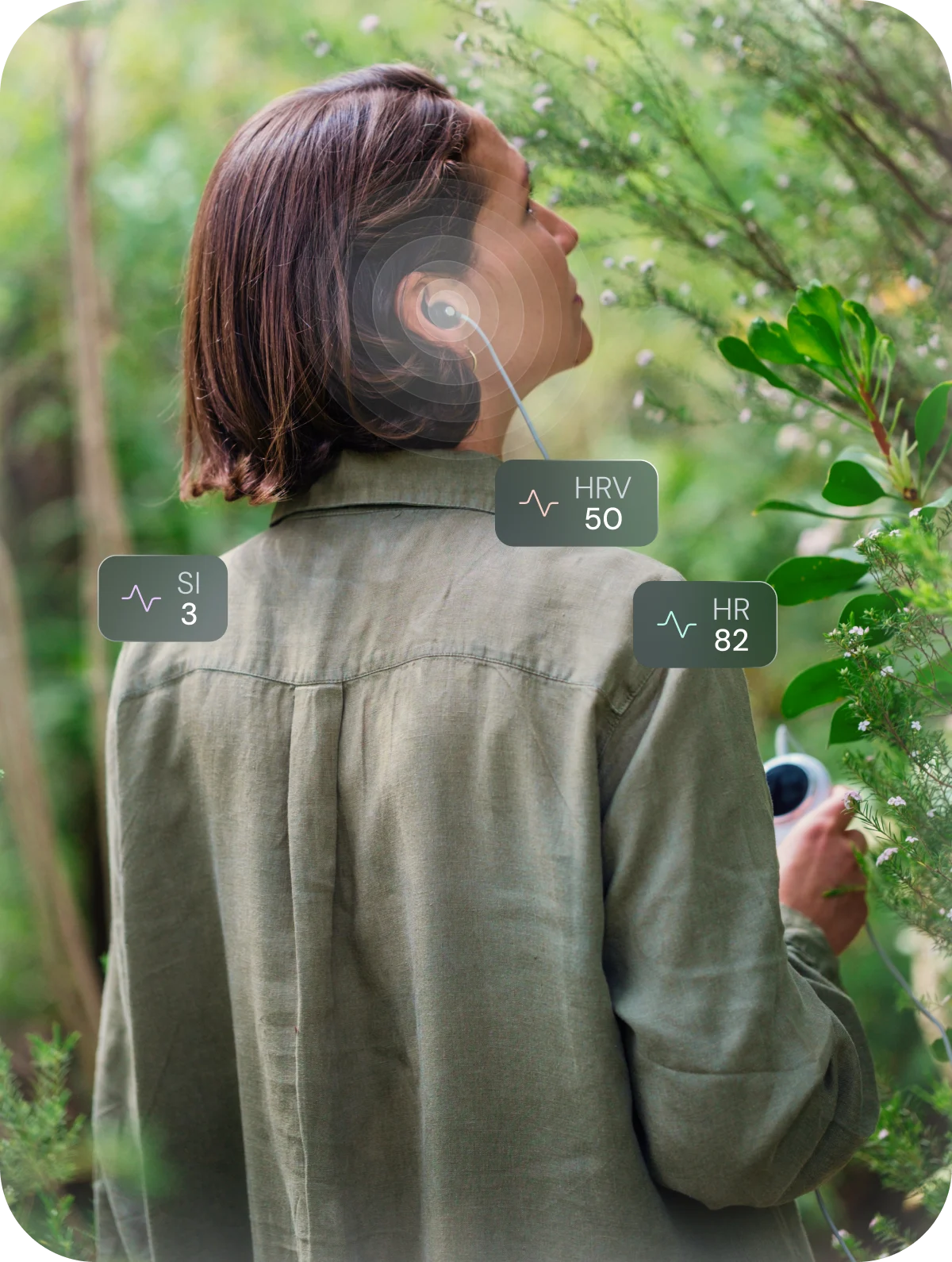
Anywhere, anytime, and hands-free with our premium vagus nerve stimulator.
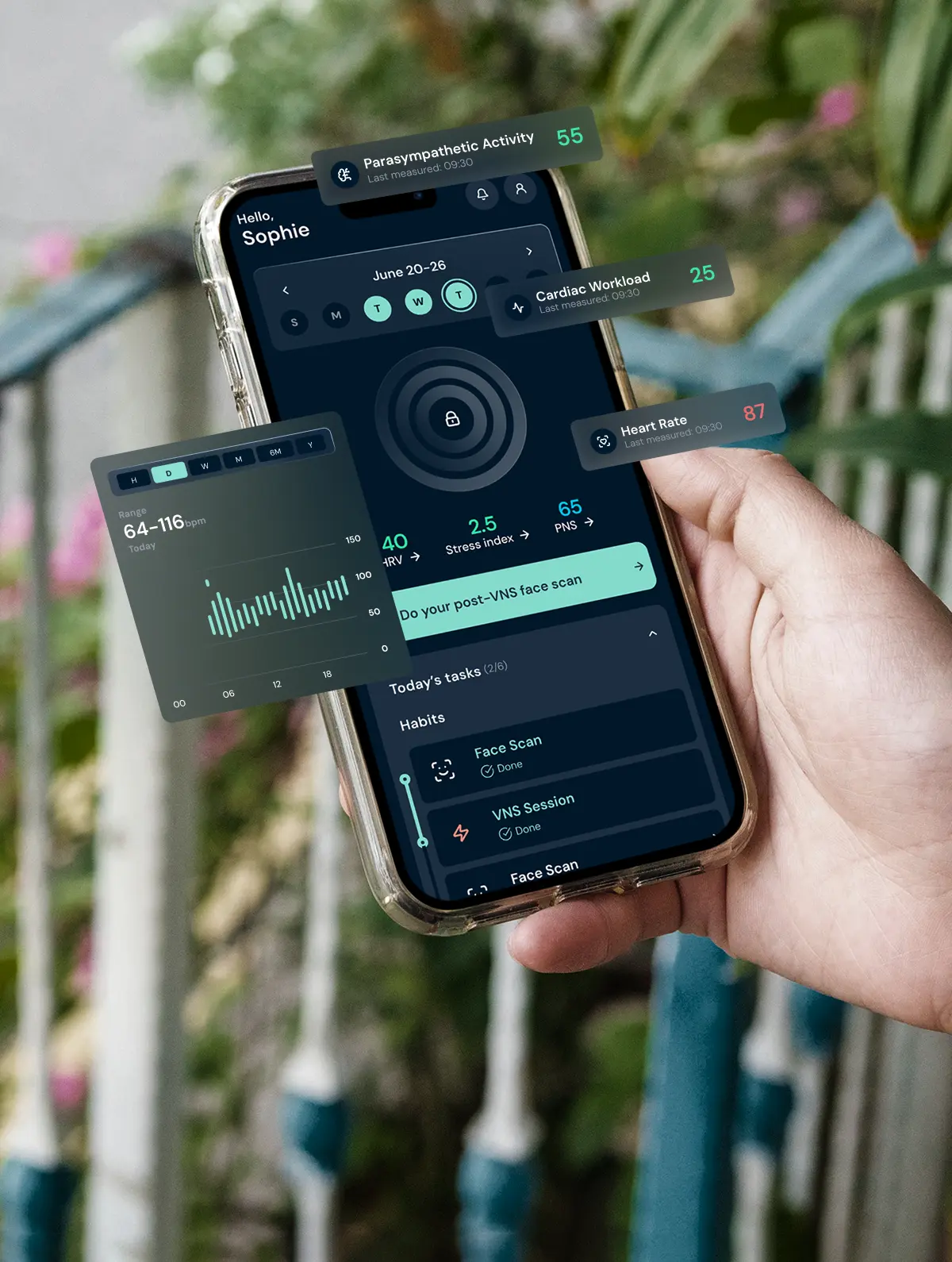
Track your health metrics so you can see your vitality and resilience improve.
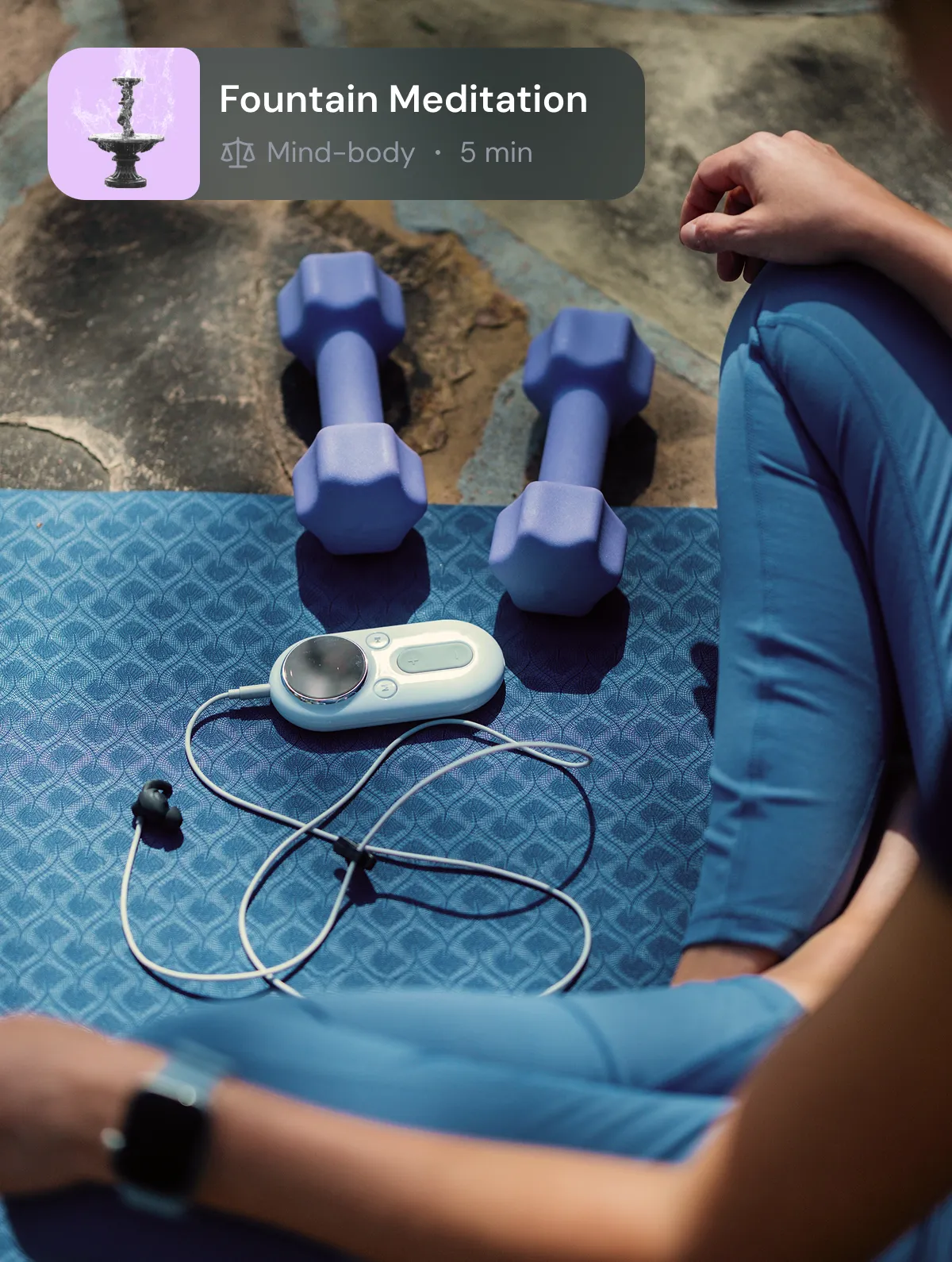
Simple practices you can do anywhere for relaxation, focus, and energy.
.webp)
Dedicated support to keep you consistent and motivated.
.webp)
Science-backed guidance that makes better health simpler.
Testimonials
Real people, real results
What yōjō members say a few weeks after partnering with yōjō.

Discovering yōjō has been an absolute game-changer. I’m sleeping much better. I’ve gone from needing the TV to fall asleep to being able to switch off and relax.

Andrea


What we saw
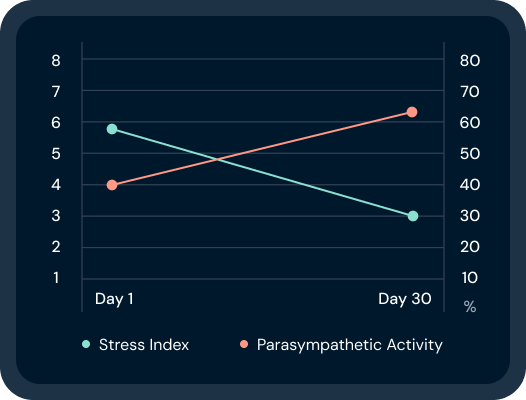
Resting heart rate improved by 10 bpm, stress index halved, and parasympathetic activity increased by 60%.
I use my device in the morning and evening, and my sleep has improved dramatically. I’m getting 8 hours of uninterrupted sleep most nights.

Dale
What we saw
HRV and parasympathetic activity more than doubled, and resting heart rate improved by 12%.
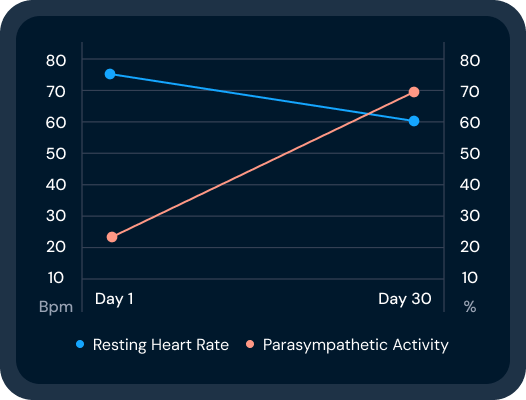
Just one week after joining yōjō, I slept through the night without moving, for the first time in what feels like forever. I honestly forgot what it felt like to wake up and feel okay.

Kirsten
What we saw
Resting heart rate 12% better, parasympathetic activity more than doubled.
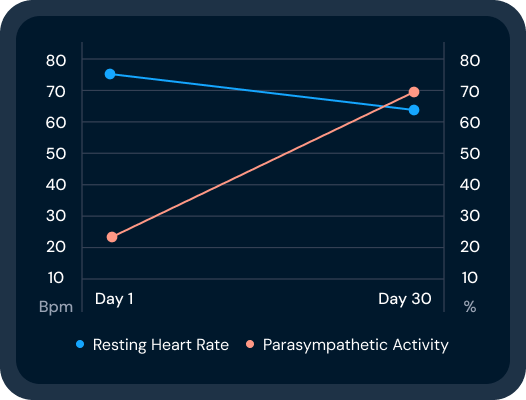
After three weeks with yōjō, the sense of smell I lost during Covid a few years ago came back.

Erik
What we saw
HRV up from 20 to 80ms, a 300% improvement, parasympathetic activity doubled.
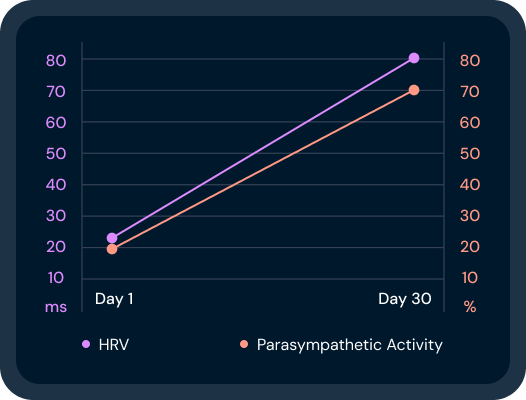
I joined yōjō just after one of the most stressful periods of my life, and it changed everything.
I suddenly felt calmer, clearer, and more in control.

Louise
What we saw
Stress index down 45%, parasympathetic activity doubled in 4 weeks.
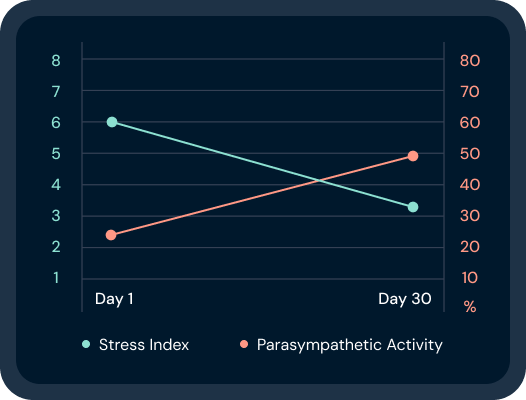
Benefits
A guided journey for lasting health and vitality
Our whole-person approach strengthens your nervous system, helping you stay calm, resilient, and ready.
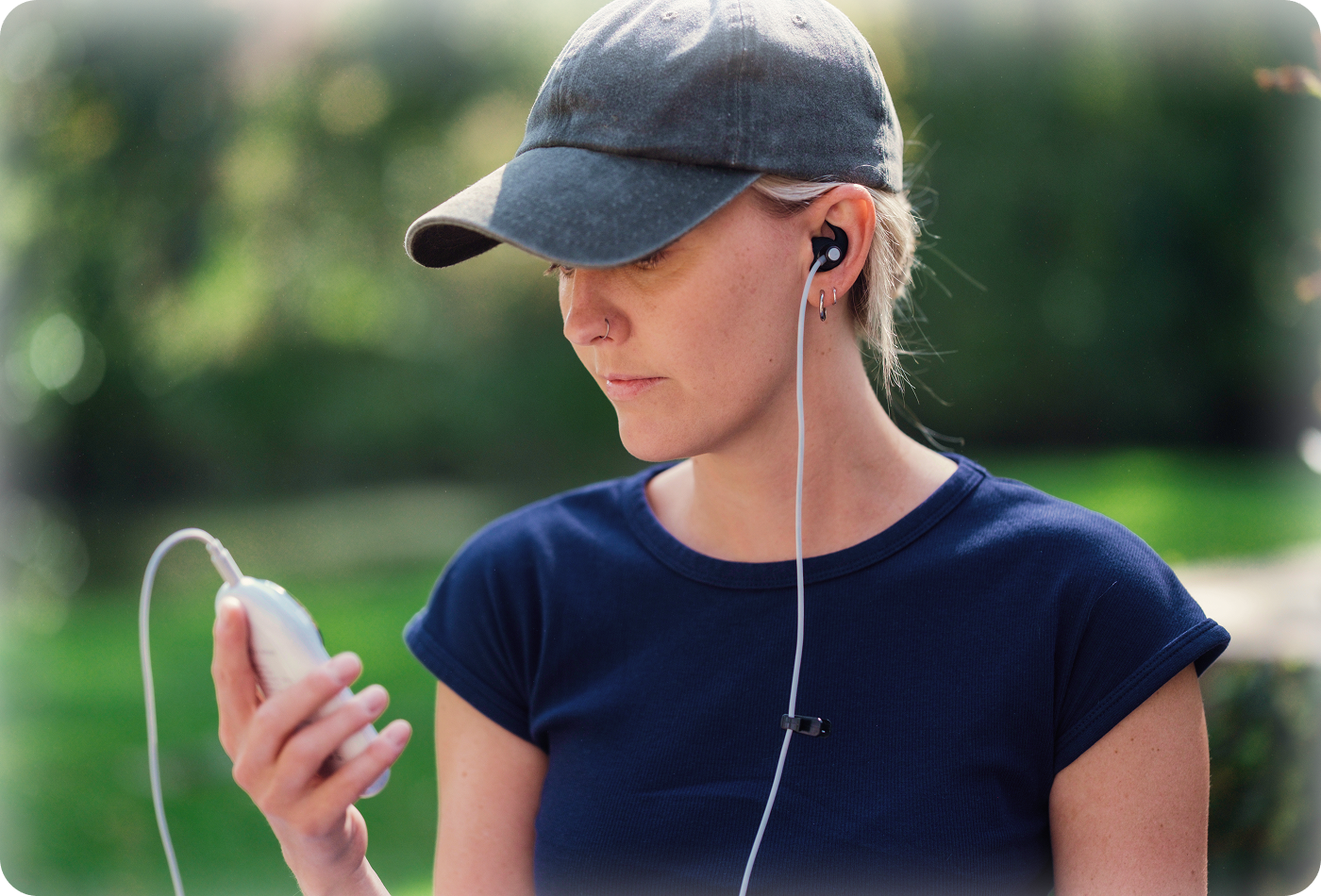


Stress relief
yōjō calms your mind and body, lowering stress hormones and restoring balance so you feel more in control.
.webp)

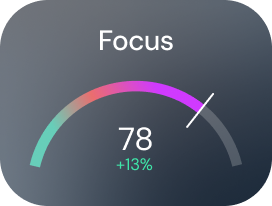
Sharper focus
yōjō supports healthy brain activity, boosting attention, memory, and clarity, so you can stay focused when it matters most.
.webp)

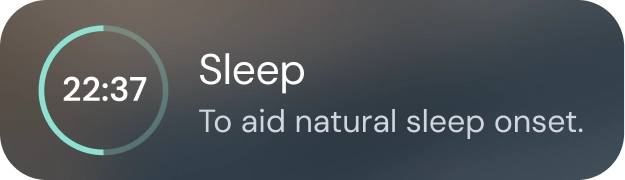
Deeper sleep
yōjō helps your body switch into rest mode, making it easier to fall asleep, stay asleep, and wake up refreshed.
.webp)



Steady energy
yōjō restores efficient energy use in your body, giving you steady fuel for your day without the slump.


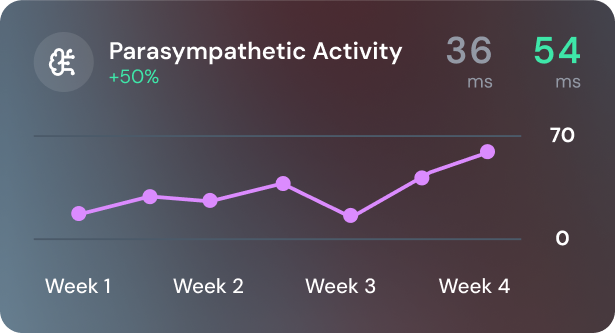
Faster recovery
yōjō resets your system, speeds recovery, and restores vitality, helping you train harder, perform better, and bounce back sooner.
.webp)


Better mood
yōjō nurtures the mind–body connection, reducing stress and inflammation’s impact on gut health and immune function, so you feel lighter, brighter, and more resilient.
How It Works
A small daily ritual that helps you do you better
Follow your personal program to balance your nervous system, build stress tolerance, and live your best life.
.webp)
.webp)

Scan

Activity
Scan
Results
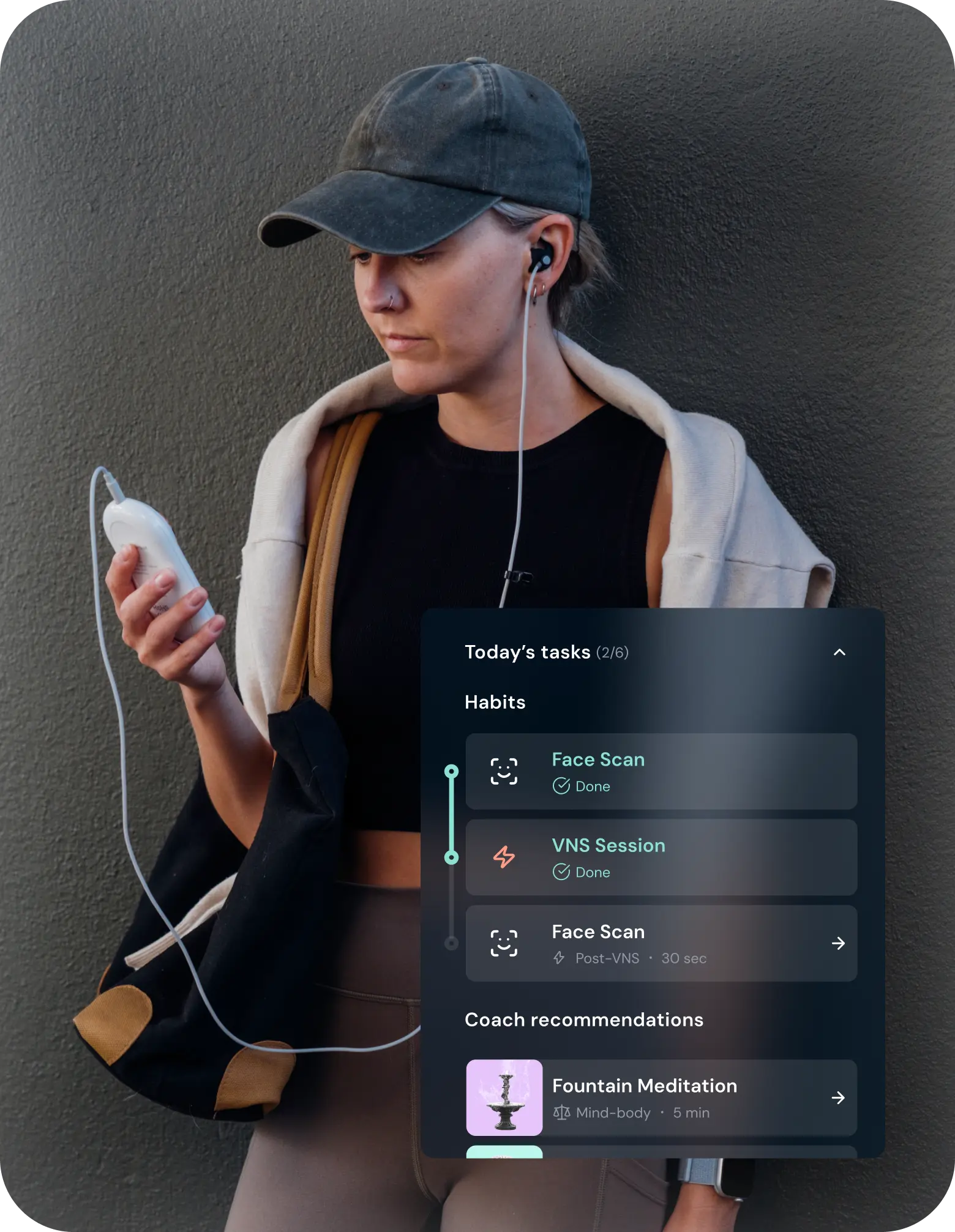
Capture health metrics before and after activities, like vagus nerve stimulation, to see their direct impact on your body.

Work with your coach
Your personal well-being coach will tailor your yōjō journey, turning insights into actions, goals into achievements.

Complete daily tasks
Alongside daily vagus nerve stimulation, you’ll get simple practices — meditation, breathwork, mindfulness, gentle movement — all designed to beat stress and balance your nervous system.
Scan
Activity
Scan
Results
Capture health metrics before and after activities, like vagus nerve stimulation, to see their direct impact on your body.
Work with your coach
Your personal well-being coach will tailor your yōjō journey, turning insights into actions, goals into achievements.
Complete daily tasks
Alongside daily vagus nerve stimulation, you’ll get simple practices — meditation, breathwork, mindfulness, gentle movement — all designed to beat stress and balance your nervous system.

Science
Decades of real-world expertise, powered by science
Everything we do is backed by research, clinical experience, and scientific evidence, and has to survive rigorous review protocols to ensure lasting, positive results.
Pricing
Ready to feel unstoppable?
Just 2 weeks to better sleep — or your money back
£4000+
with yōjō:
£399
90% off
See what’s included with yōjō

£399

90-day money-back guarantee
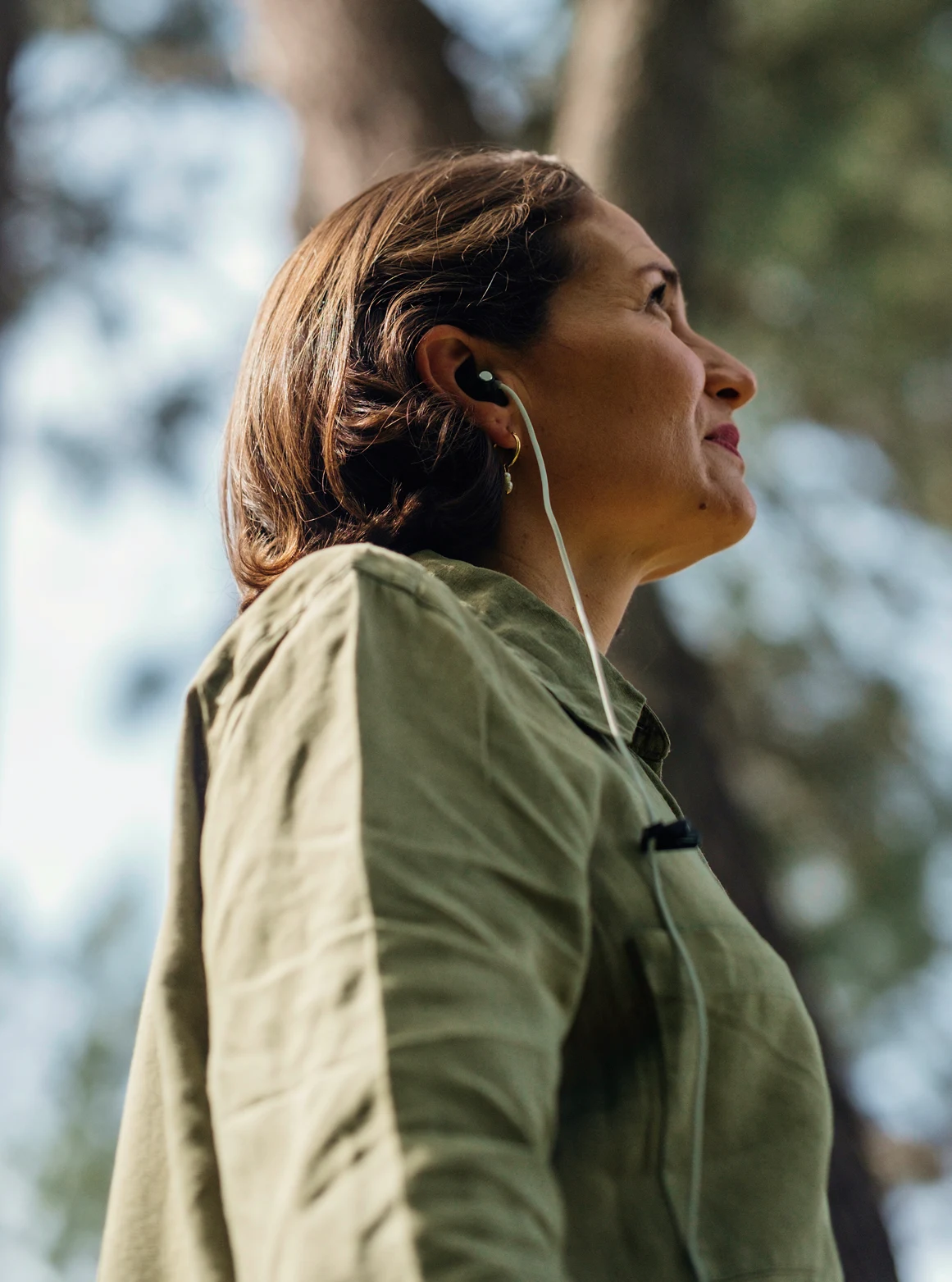
yōjō taVNS* Device
£299
once-off
Yours to keep

Earpiece
Charger
Conductive gel
Carry case
*Electrical vagus nerve stimulation delivered through the skin of your ear
yōjō Platform
£9.99
/month
First 2 months free
Personalized program
Real-time biofeedback
Personal human coaching
Health education
Your subscription auto-renews after 12 months - £9.99/month or £110 annually upfront.

Cancel anytime and keep your device


Why the Vagus Nerve?
Healthy vagus nerve, healthy you
Relaxation is your body’s preferred state. Stress pulls you out of that state, and the vagus nerve brings you back. A healthy vagus nerve is essential to long-term health and well-being.
Here’s all you need to know about the vagus nerve.

It’s a reset button
The vagus nerve releases acetylcholine, a key neurotransmitter that smooths muscle contractions, widens blood vessels, and slows heart rate.

It’s a highway
The vagus nerve is the 10th cranial nerve and connects your brain to your heart, lungs, gut, liver, spleen, and kidneys.

It’s ancient
Each branch of the vagus nerve is a chapter in evolutionary adaptation, from reptilian survival to human connection.

It’s long
Known as “The Wanderer”, the vagus nerve is the longest cranial nerve, coursing throughout your body.

It’s anti-inflammatory
The vagus nerve is central to the cholinergic anti-inflammatory pathway, your body’s natural mechanism preventing chronic inflammation.

It’s busy
The vagus nerve influences heart rate, blood pressure, breathing, digestion, inflammation, immunity, gut health, emotion, cognition, speech, and taste.

It’s struggling
Modern life keeps us in a sympathetic state. The more often you’re in this state of stress, the harder it is for your vagus nerve to keep up.

It’s changeable
Regular vagus nerve stimulation, healthy lifestyle choices, and stress management techniques help to improve the vagus nerve’s efficiency over time.
Blog
Explore the science of better living

Article
May 8, 2026
time
-min
read
My yōjō Journey and What I Didn’t Expect
When I first started using yōjō back in December, I approached it the way I approach most wellness tools: open-minded but measured. Here’s what happened.
As a GP, I understand the science behind vagus nerve stimulation. I know the vagus nerve is the body’s master regulator, that it connects the brain to the body, and that it governs that all-important shift from ‘fight-or-flight’ into ‘rest-and-digest’. I know the mechanism, but I don’t think I really expected the impact.
I definitely wasn’t prepared for how much of a difference I would feel.
How I yōjō
My routine is simple.
Every night, when I go to bed, I grab my yōjō. I apply the gel to the earpiece and pop it in my ear. I find a comfortable intensity and then just let the gentle electrical pulses do their thing.
I also use it during the day when I remember. This is becoming more frequent because the benefits have become harder to ignore.
The sensation took a little getting used to — little electrical zaps that you have to set to your comfort level — but it quickly became something I looked forward to rather than something I had to remind myself to do.
What surprised me most
Sleep. Sleep. Sleep.
I’ve always been someone who can lie awake, mind whirring, tossing and turning for hours before finally dropping off. In the first few days of using yōjō, I noticed I was falling asleep faster.
At first, I put this down to coincidence, a good few days, or a placebo effect. But now, several months in, I can say with confidence that it is none of these.
On the nights I use yōjō versus the nights I don’t, there is a noticeable difference.
My Garmin data backs this up, too: sleep quality has genuinely improved, not just my perception of it. And that matters to me as someone who values having objective data alongside improvements in how I feel.
Getting to sleep faster has been the biggest win.
Anyone who knows that particular frustration of lying in the dark, wide awake, brain refusing to switch off, will easily understand just how significant this has been.
A shift in how I think about my nervous system
Something I didn’t anticipate was how using yōjō would make me more intentional about my parasympathetic nervous system more broadly.
Understanding something intellectually and actively working on it are two different things. yōjō has brought vagal tone into my daily awareness in a way that’s spilled over into other habits.
I now use the physiological sigh regularly — a double inhale through the nose followed by a long exhale — which is one of the fastest ways to manually activate your parasympathetic nervous system. It’s the kind of technique I’ve always known about, but yōjō has made me more motivated to layer these practices together.
I feel more in control of my own nervous system regulation, and that feeling of agency is something I hadn’t expected to value as much as I do.
Would I recommend it?
I started this journey curious. I’m continuing it as a genuine convert.
Whether you’re someone who struggles to wind down at night, feels chronically overstimulated, or simply wants to feel more grounded in your own body, yōjō offers something that is both accessible and, in my experience, genuinely effective.
The science was always there. And now I’ve felt it for myself.


June 19, 2026
time
-min
read
Why Your Body Reacts to an Email Like It's a Predator
An email pops up. The subject line is vague. Your chest tightens, your jaw clenches, your stomach drops — before you've even opened it. Most people call this overreacting, anxiety, or a personal flaw. It is none of those things.
Does stress ever feel like a real, physical threat to you? Nothing has actually happened, no danger is in the room, yet your body acts like something is about to attack you.
As strange as it may seem, to your nervous system, that reaction makes sense because, to your nervous system, the threat is real.
Your brain scans for danger all the time. A small almond-shaped part of the brain called the amygdala flags anything that might be a threat. It then signals another region, the hypothalamus, to get the body ready to respond. The hypothalamus turns on two stress systems at once. The first is the sympathetic nervous system, which releases adrenaline. The second is the HPA axis, which releases cortisol.
This is the fight-or-flight response. Your heart speeds up, blood pressure rises, muscles tense up, digestion slows, and focus sharpens.
The body runs this same response whether the trigger is a wild animal, an injury, or a short message from your boss.
Research suggests physical and psychological threats activate the same two stress pathways — the sympathetic nervous system and the HPA axis — releasing the same core hormones, even though the brain processes each kind of threat a little differently.
Physical threats are handled quickly by lower brain regions. Psychological threats involve higher-thinking areas — the prefrontal cortex, amygdala, and hippocampus. That's because they need to be interpreted. A deadline is only taken to be dangerous once you’ve decided it is. Your body then reacts to it as if it had teeth.
Why modern life confuses your stress system
Fight-or-flight evolved for one kind of problem: short, physical, and over quite quickly. A predator shows up, you run, fight, or freeze, and within minutes the threat ends. If you survive, your body powers down and gets back to normal.
The scientist Robert Sapolsky explains this in his book Why Zebras Don't Get Ulcers. A zebra escapes a lion and returns to grazing within minutes. It does not sit under a tree worrying about the next attack.
Humans do. We ruminate. Cows are called ruminants because they chew cud. We chew the cud of our minds — endlessly replaying past mistakes or worrying about the future.
We can create a threat just by thinking about one. A deadline three weeks away, a text someone hasn't replied to, a meeting tomorrow, a vague message that could mean two things. Your nervous system treats each of these like real danger, but unlike a predator, they do not go away … they stretch out for hours, days, weeks.
Scientists call this an evolutionary mismatch. Your ancient threat system has not caught up to the modern world it is running in.
Why notifications, meetings, and deadlines feel so heavy
Modern stress has three features that make it especially hard on the nervous system.
It is anticipated.
Your body reacts to threats that have not happened yet. The dread before a meeting can feel as physical as the meeting itself.
It is social.
Conflict at work, feeling left out, or unclear messages can activate the same circuits as physical danger. Research suggests social pain and physical pain use some of the same brain pathways.
It is always-on.
Notifications, group chats, open inboxes, and constant availability mean your nervous system rarely gets the all-clear signal. The threat never fully ends.
A predator encounter ends, an inbox doesn’t.
What this does to your body over time
When the sympathetic nervous system and HPA axis stay active for too long, the body builds up what researchers call allostatic load — the wear and tear from being on alert too often.
Long-term cortisol dysfunction affects heart health, immune function, sleep, memory, and metabolism. Sapolsky’s research shows that chronic stress also weakens the parasympathetic nervous system, the part that calms the body down. Over time, the body has a harder time switching off even after the stress is gone.
How to read your stress response differently
Understanding the biology gives you new options.
If a tight chest before opening an email is a flaw, the only fix is to try harder, care less, or push through. None of those work, because none of them deal with the system causing the reaction.
But if a tight chest is your amygdala doing its job in the wrong environment, the question changes. How do you help your system finish the response and return to a calm state?
This is what nervous system regulation means. There’s no need to suppress your stress response when you can support your rest and recovery response.
Slow exhales activate your vagus nerve, which calms your body. Short pauses between stressful moments let your system register safety more often. Sleep, movement, and steady recovery habits train your nervous system to settle down more easily over time.
Evidence indicates regulation is trainable. Vagal tone — a measure of how well your parasympathetic nervous system works, often tracked through heart rate variability (HRV) — improves with steady, repeated practice. The goal is to handle stress by giving your body the signal that the threat has passed.
Vagus nerve stimulation is a precision-engineered and convenient way to do that every day.
The takeaway
When your body reacts to an email like it is a predator, don’t think of it as overreacting. It is a survival response, largely out of your hands. Your nervous system is doing exactly what it evolved to do: spot a threat, ready reserves for action, protect you.
The mismatch is in the environment, not in you.

Article
June 12, 2026
time
-min
read
Dr. Lou Atkinson: Think yoga isn’t for you? Think again!
Dr. Lou Atkinson explores how the core principles of yoga can help you do you better, and helps you find the style that’s worth bending over backwards for.
What do you think of when you think of yoga? Really supple people bending themselves into impossible shapes? Incense-filled rooms with rows of people lying down with their eyes closed? A gong? Is yoga slow and stretchy to you, or hot and hard? Plain and simple, or a complex mix of movement and Sanskrit?
The point is, yoga isn’t really one thing. It consists of multiple styles. Each instructor brings their own flair, wisdom, and understanding to each class. And it takes place in every imaginable setting.
Whatever you think yoga is, there will be an example out there to prove you right. But if you say “yoga is not for me”, you are almost certainly wrong.
While yoga is an ancient practice, it has many practical applications and benefits for the modern world. There are three ways yoga can support your daily life.
Yoga is a good exercise
Yoga’s physical exercises are called asanas. Asanas help develop strength, muscular and cardiovascular endurance, stability, and flexibility. Regular practise develops power, speed, agility, coordination, and balance. As a result, yoga can improve your heart and musculoskeletal health, protect against injury, and improve sports performance.
Like all forms of exercise, yoga boosts endorphins (feel-good hormones) and reduces cortisol and adrenaline (stress hormones). It also improves brain function by promoting the growth of new brain cells (neurogenesis), increasing blood flow, and boosting connections between neural networks in your nervous system (neural connectivity).
Yoga promotes healthy breathing
In yoga, movement is linked with breath (pranayama), and deep breathing is encouraged. Deeper breathing brings more oxygen to your muscles, enabling them to work more effectively. It also fuels your brain, helping to maintain focus. Controlled deep breathing also activates the rest-and-digest part of your nervous system (parasympathetic nervous system), shifting your body into calm mode and promoting better nervous system regulation.
The breathing you practice during yoga sessions can move into your everyday life. Deeper, more efficient breathing becomes second nature, and, when feeling overwhelmed, you are more likely to turn to breathing to restore calm and regain a sense of control.
Yoga is relaxing
While many types of yoga are far from relaxing, savasana (relaxation) is a core principle in yoga because the ability to rest and recover is essential to living a balanced life.
Rest is necessary for our brains and bodies to repair and rebuild. Resting refills our batteries and calms our minds, enabling us to refocus on what’s important and giving us the energy to achieve our goals.
In today’s fast-paced world of constant stimulation and pressure to achieve, many of us need to learn how to relax. Regardless of style or purpose, most yoga classes will end with a period of savasana, whether it’s just a couple of minutes of quiet time or a longer period of guided meditation.
This often feels strange or difficult to begin with, especially if you have ADHD, are a fidgeter, or tend towards constant busyness. But like all skills, we improve with practice. And savasana is not about clearing or ignoring our thoughts; its purpose is physical rest, nervous system rejuvenation, and the observation of thoughts without dwelling on them.
Yoga can be a space for simply being present, without the pressure to ‘do’.
Finding the right style
First, look for a class, in person or online, that fits your goals and personality.
If you like challenges and want to make big fitness gains, try Vinyasa, Flow, Ashtanga, or Power yoga. These classes will include exercises such as push-ups, arm balances, and explosive movement to build strength and power, and allow only minimal rest to increase your heart rate and build stamina. These classes can be as physically challenging as CrossFit or HIIT.
If you want to learn the fundamentals of yoga and get an all-round workout, plus some relaxation, look for Hatha yoga. Hatha classes are accessible to all levels and usually include strength, balance, and flexibility.
If you are a bit of a perfectionist or like to delve deep into the technical aspects of things, try Iyengar classes, where the focus is on alignment, with lots of detailed cueing and props to help you achieve the best version of each position. Iyengar can also be helpful if you have an injury or chronic condition, as it’s unlikely you will push too hard and make it worse.
If you love to sweat, Hot or Bikram yoga is done in a heated room. This style warms the muscles and connective tissues for deeper stretches. It also increases your heart rate, bringing great cardiovascular benefits.
If you’re looking to focus on activating your parasympathetic nervous system, seek out restorative classes. Restorative yoga encourages passivity and stillness, relying on soft props (bolsters and blankets) to reduce the physical exertion needed to achieve poses.
Finally, Yin yoga is a slow-paced class where poses are held for several minutes. This targets deep connective tissues, improving flexibility and circulation. The challenge of Yin yoga is both physical and mental: holding yourself at the edge of discomfort while avoiding fidgeting or distraction.
Giving it a go
Yoga is for you. You only have to spend some time finding the style, teacher, and community that appeal to you.
Do you want a relaxed atmosphere where students and teachers interact during class, or do you prefer a silent practice to allow you to focus only on yourself? Are you open to the spiritual side of yoga, or is it all about the science of the exercises?
Before joining a class, check out the instructor or studio’s website and social media, and don’t be afraid to contact them for clarity on what’s on offer. Online classes and apps are a great way to explore different styles, and they give you the flexibility of practicing when and for how long you want.
yōjō offers simple movement activities on our app. They only take a few minutes, are mostly drawn from yoga, and can be the perfect way to start experiencing its benefits.
FAQs
Got questions? We’ve got answers.


Ph.D.
Lead of Clinical Well-Being
Public health, fitness, academia, and MedTech specialist, Atkinson has 25+ years in turning research into real-world impact.



DC, AFMCP, AcuP
Vagal Health Advisor
Director at large of the Vagus Nerve Society and author of Activate Your Vagus Nerve, Habib has 15+ years of experience in chiropractic and functional medicine.
.webp)
Ph.D.
Behavioral Psychology Advisor
Associate Professor of Public Policy, Business Administration, and Psychology, and world-renowned behavioral scientist, Adams has 21+ years of experience and focuses mainly on processes that drive better decision-making.

M.D., Ph.D., FASRA
Chief Medical Officer
Professor Emeritus of Anesthesiology, Orthopaedics, and Pain Medicine at the University of Florida College of Medicine, Boezaart has 35+ years of clinical expertise and champions evidence-based, person-focused strategies to improve quality of life.