



Nervous system reset for better mental health
yōjō is your daily nervous system care routine that keeps your body feeling safe and your mind calm, reducing symptoms of anxiety and depression while building stress resilience.

drop in depression
Patients with comorbid depression in a psychiatric unit reported significant reductions in anxiety and depression after 3 days of ear-based vagus nerve stimulation.
Source: Austelle et al. Neuromodulation. 2025;28(6):672-681. DOI:10.1016/j.neurom.2025.02.003

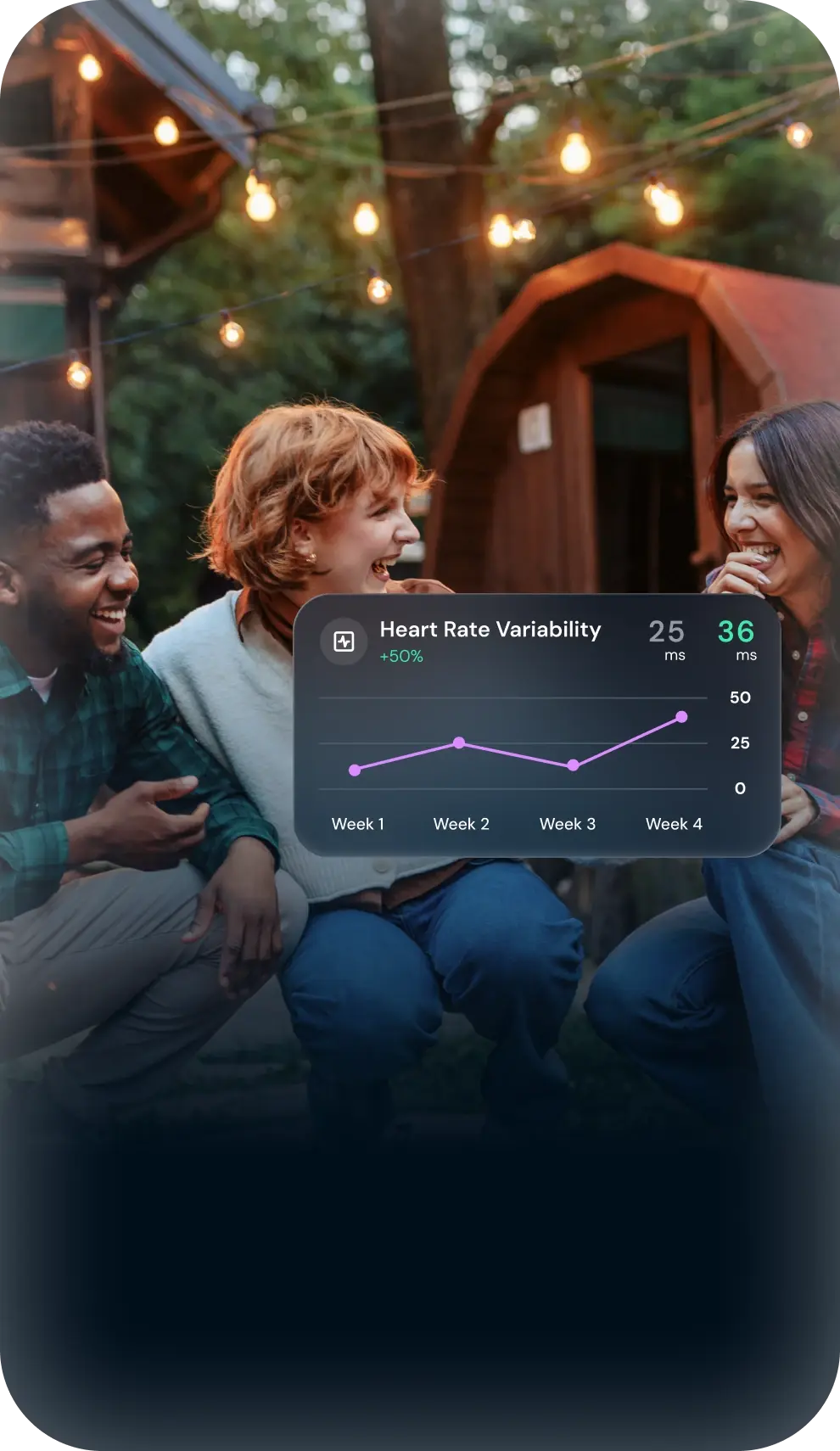
drop in anxiety
Participants in a vagus nerve stimulation for depression study had less severe anxiety after 4 weeks of daily VNS.
Source: Fang et al. Biol. Psychiatry, 2016;79:266–273.DOI:10.1016/j.biopsych.2015.03.025

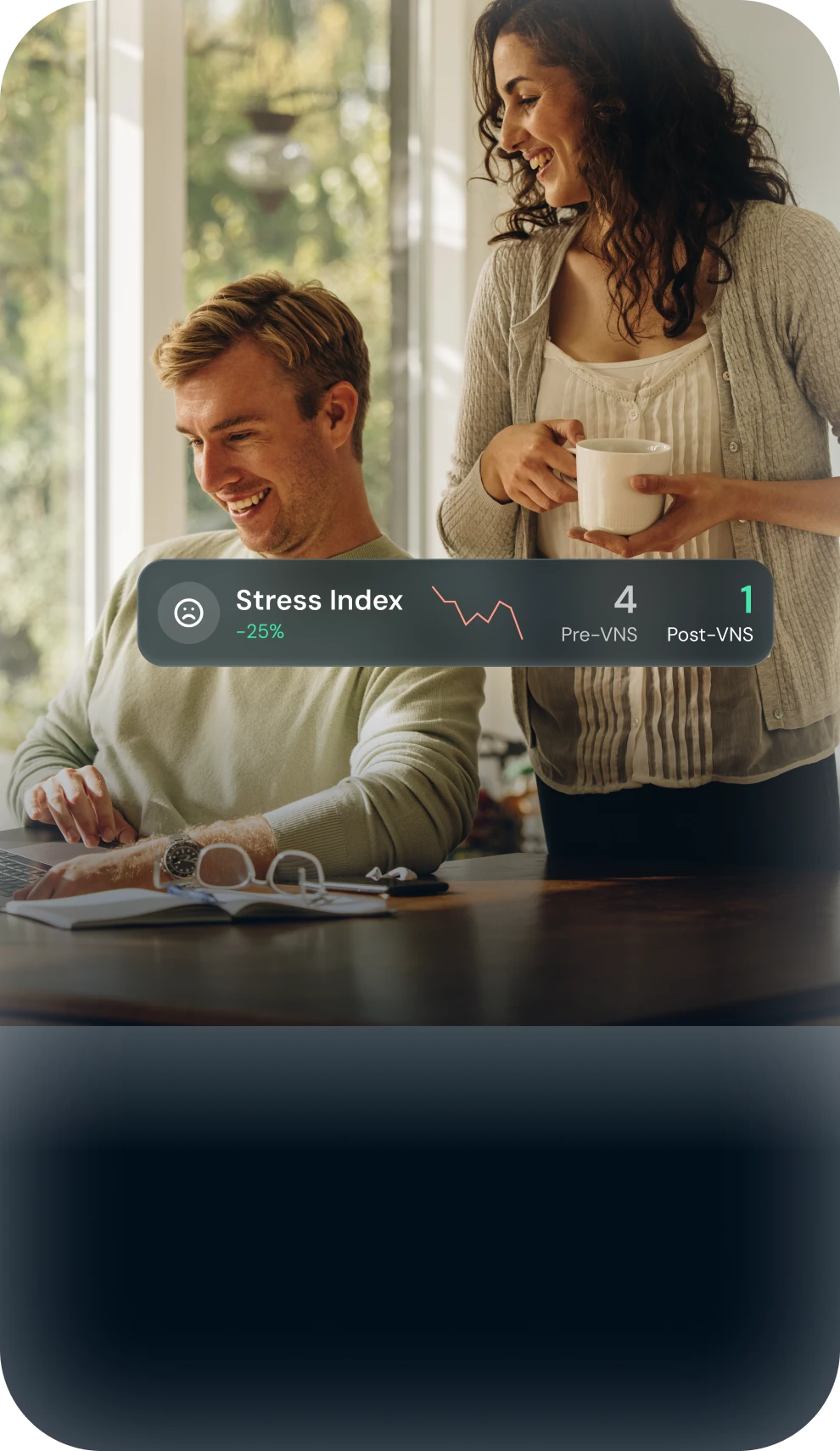
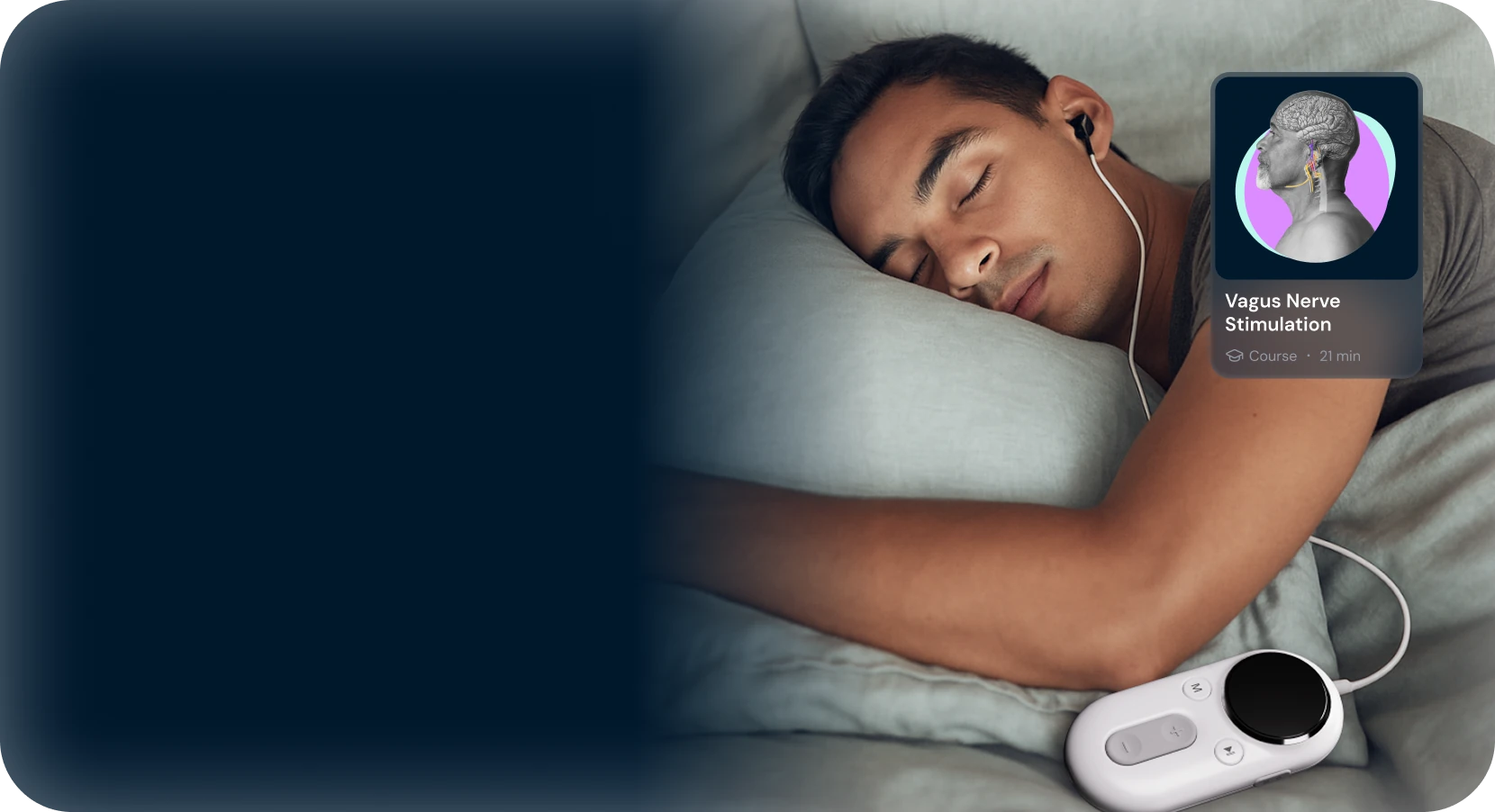
sleep better with VNS
After 4 weeks of daily vagus nerve stimulation for sleep, 8 out of 10 participants reported relief from insomnia.
Source: Wu et al. Front. Neurosci. 2021;15:609640. DOI:10.3389/fnins.2021.609640
.webp)
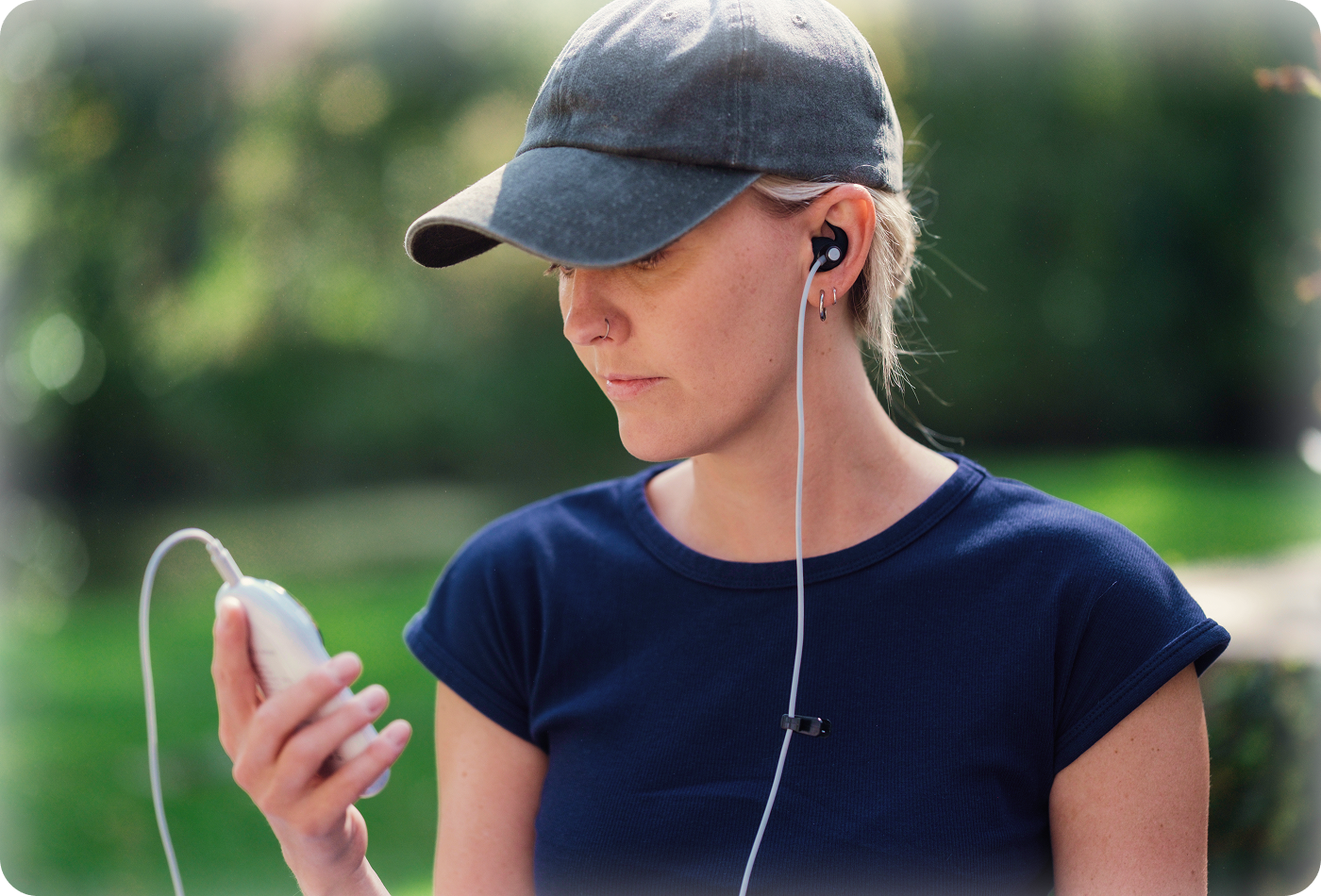
Feel free and light again with yōjō
Anxiety, depression, and burnout are often symptoms of a stress-inflammation cycle.
Your stress response is overactive, and your rest and recovery response is underactive. Systemic inflammation arises, leading to changes in mood and behavior. Anxiety and depression settle in.
Using the gentle electrical pulses of vagus nerve stimulation, yōjō activates your parasympathetic nervous system to interrupt this stress-inflammation cycle.
Daily activation, along with stress management techniques, helps restore and maintain balance between your stress and rest responses while influencing brain structures involved in emotional processing.
yōjō helps you feel safe, alive, and unshakable again.
Difference
Your calm, supported
yōjō is a wellness ecosystem that supports your body’s natural pathway to lasting mental and physical steadiness.
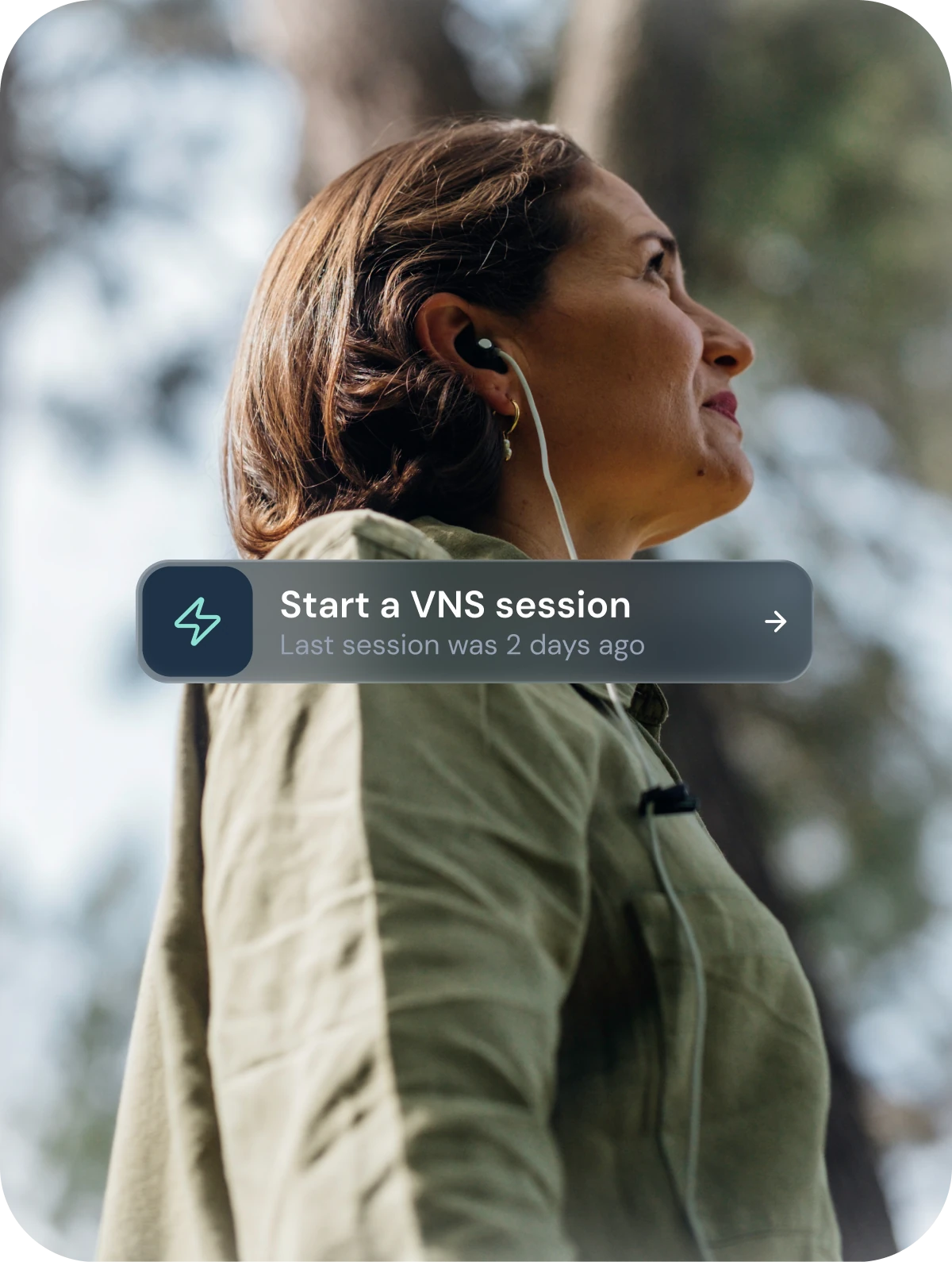
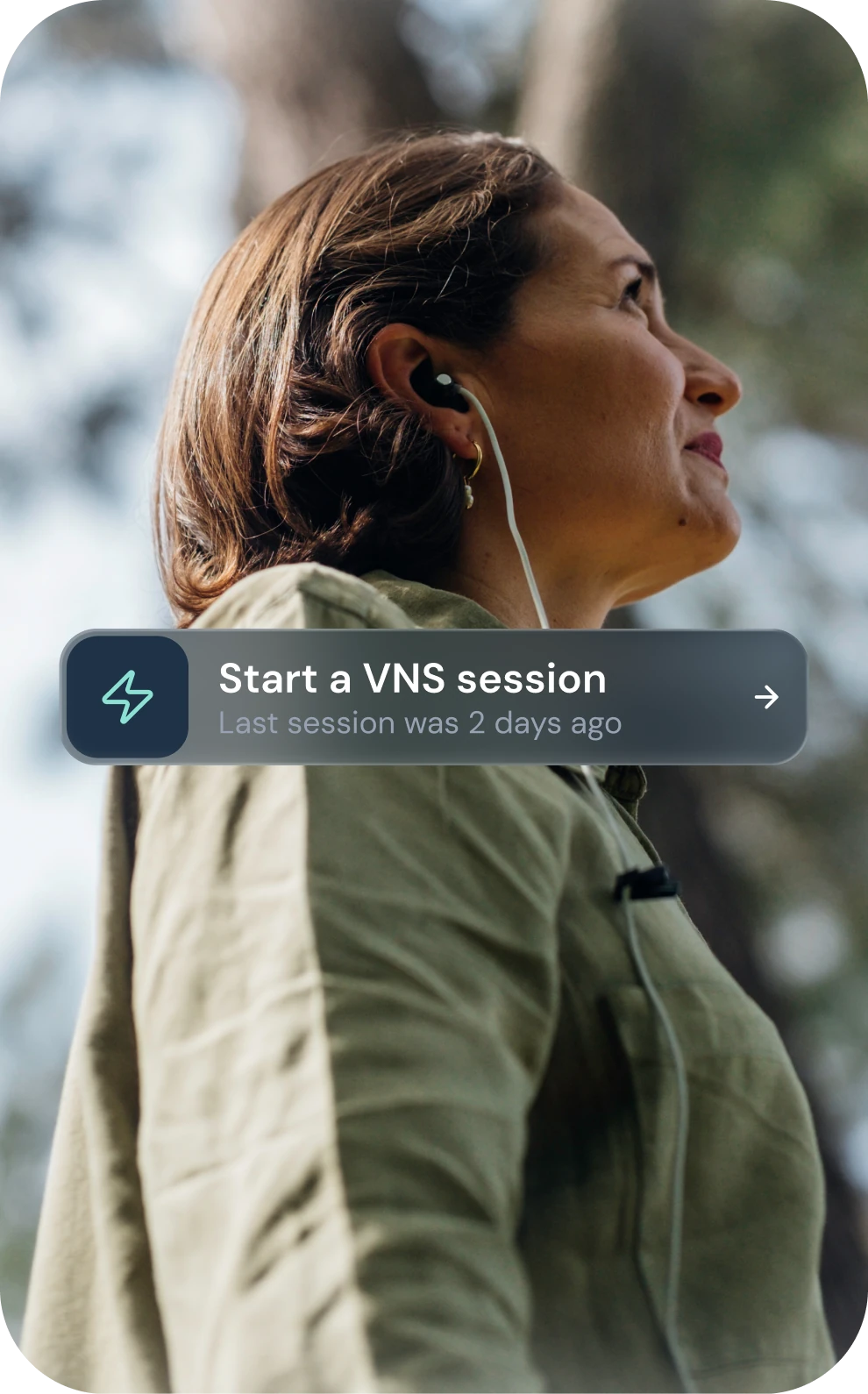
Daily nervous system resets to activate your parasympathetic nervous system and enhance the regulation of norepinephrine, serotonin, dopamine, and GABA.
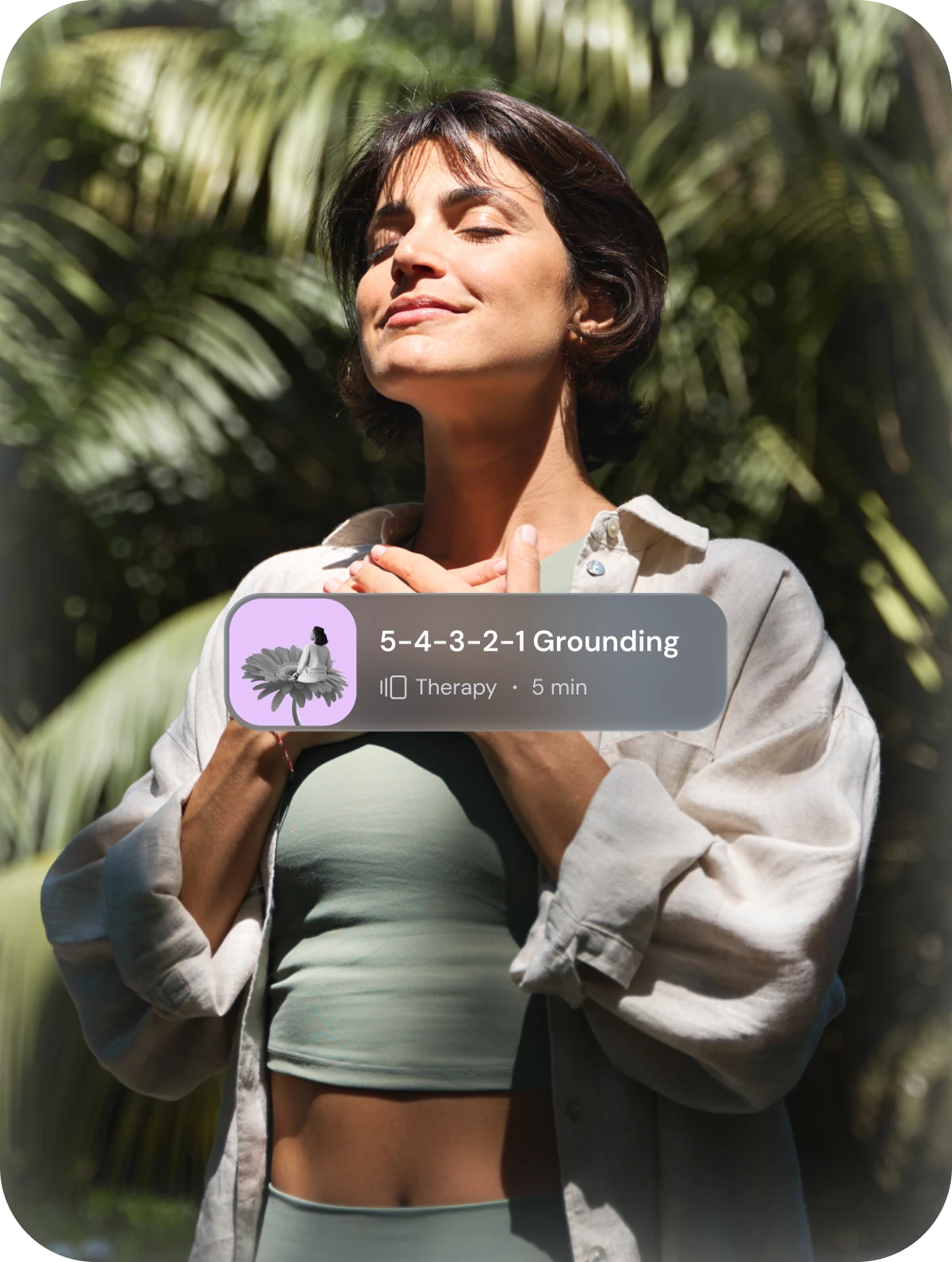

Simple mind-body techniques to ground anxious thoughts, steady breathing, and improve neurotransmitter regulation.
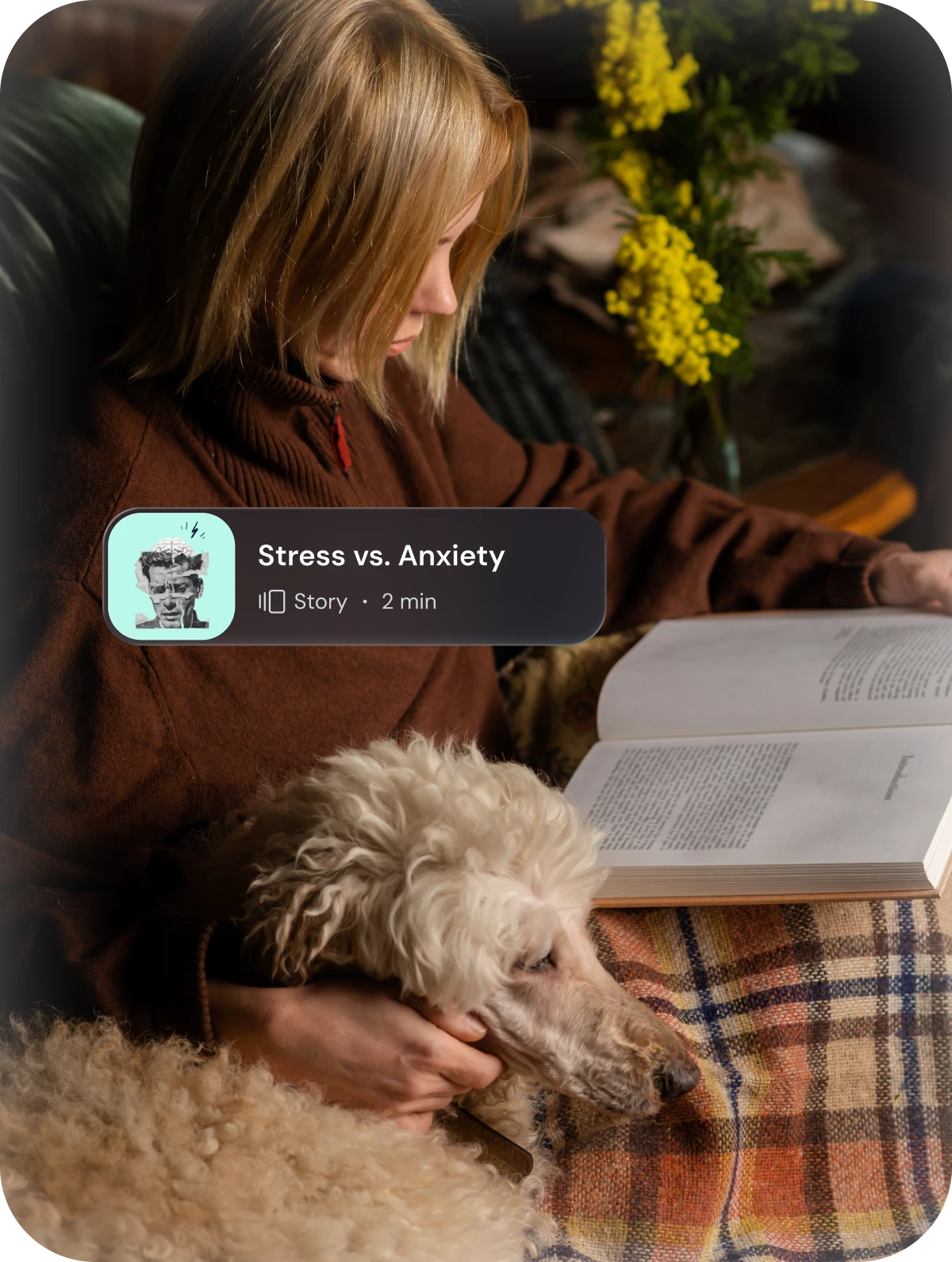
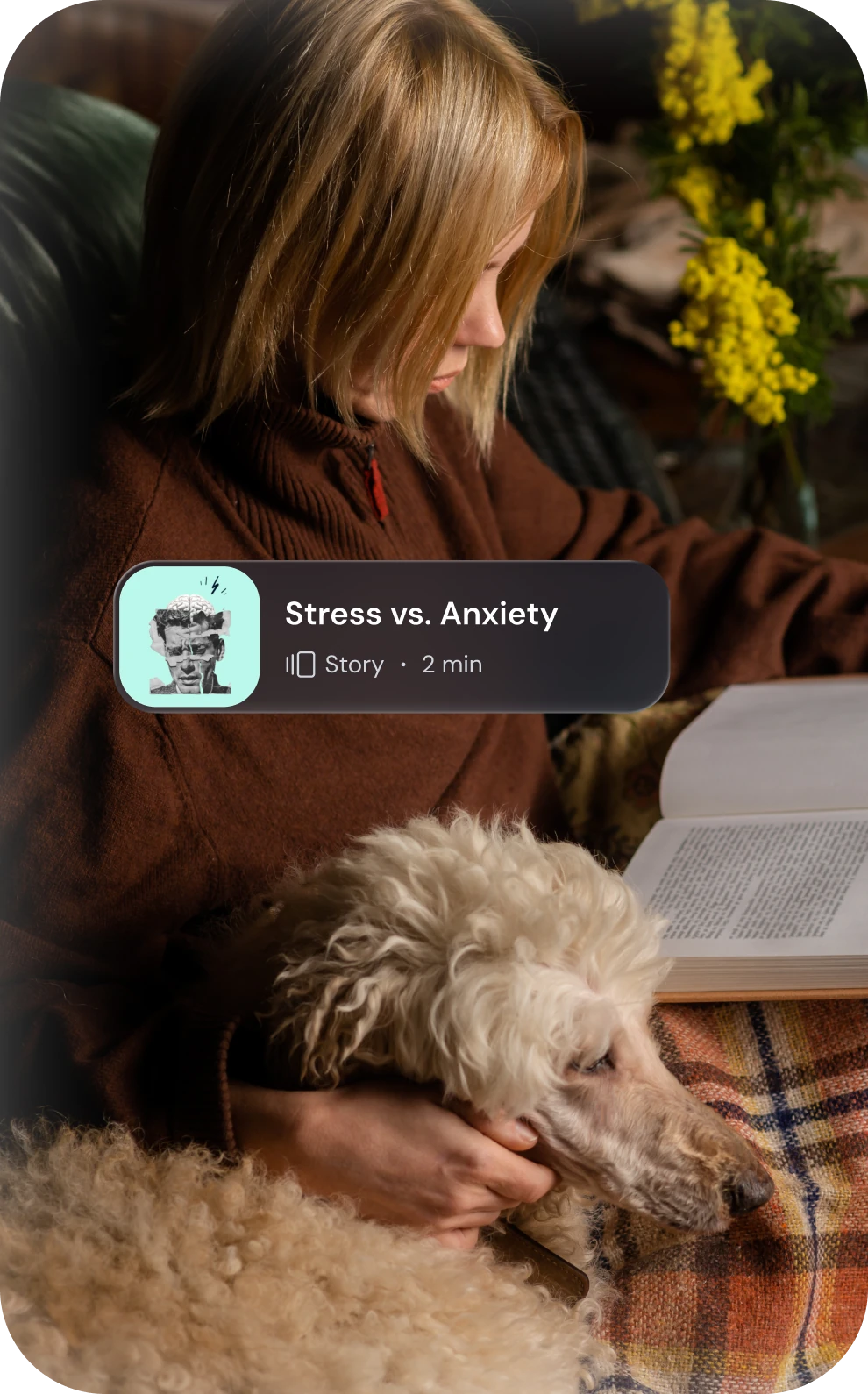
Science-based insights to help you understand and manage your thoughts, feelings, and moods.
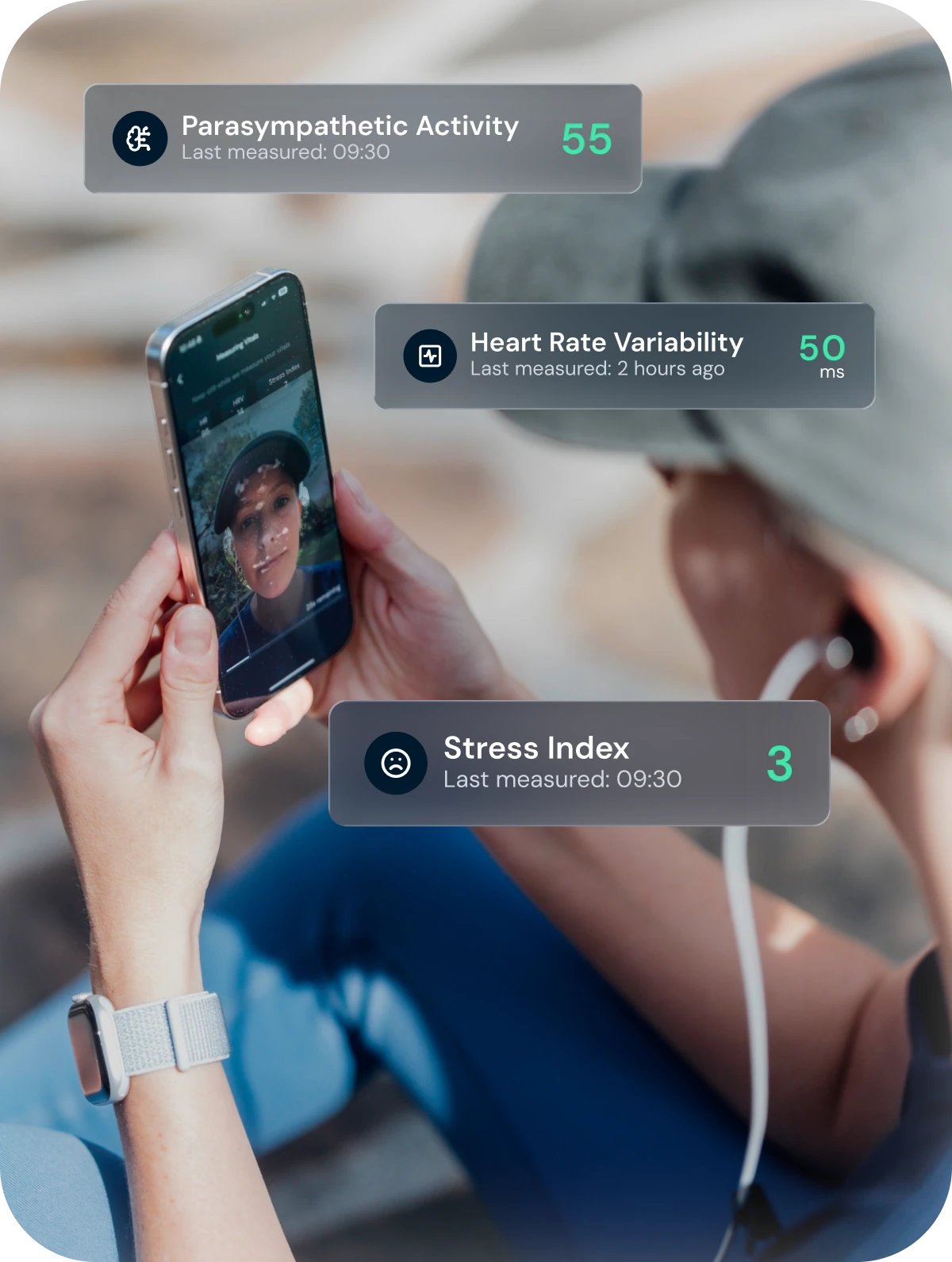
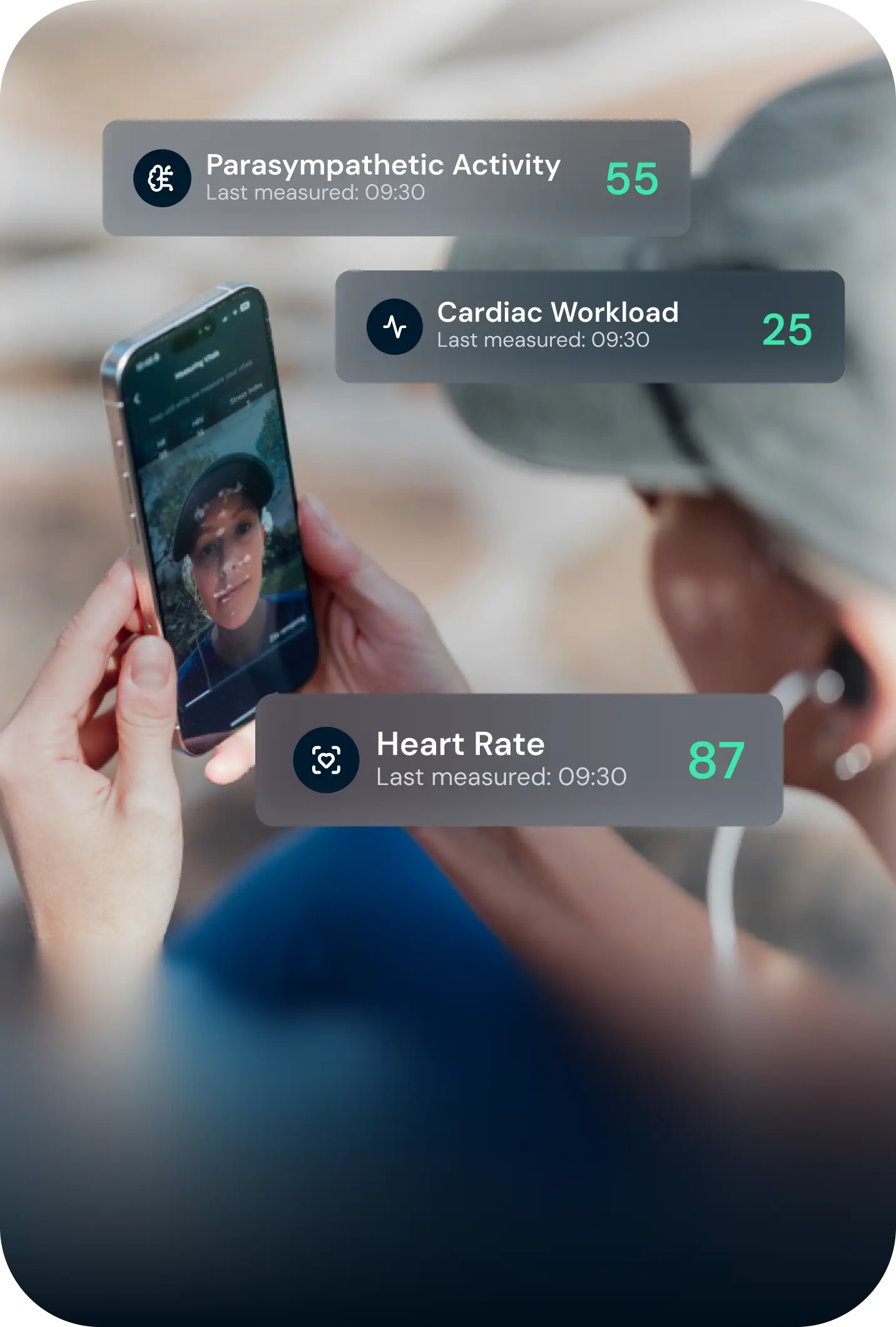
30-second face scans to track stress levels, HRV, parasympathetic activity, and nervous system balance.


A dedicated guide to help you navigate stress, anxiety, and depression and cultivate calm resilience.
Testimonials
Real people, real impact
What yōjō members say a few weeks after making yōjō a part of their daily routine.

After using the device for just a week, I slept through the night. I honestly forgot what it felt like to wake up and feel okay. And I’ve also noticed I feel less stressed at work.

Kirsten


What we saw
Resting heart rate 12% better, parasympathetic activity more than doubled.
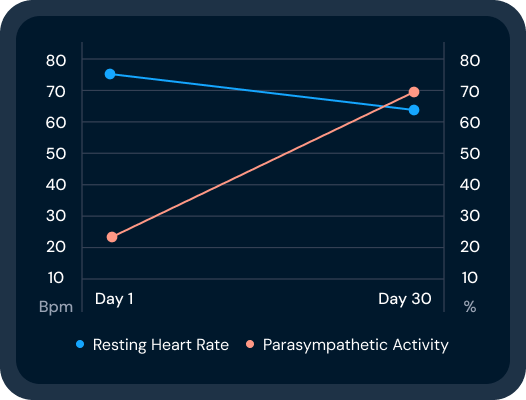
Using the yōjō app and VNS device together has helped me feel noticeably calmer, sleep better, and handle daily stress and tension with ease. It has also relieved my headaches.
.png)
Dani
What we saw
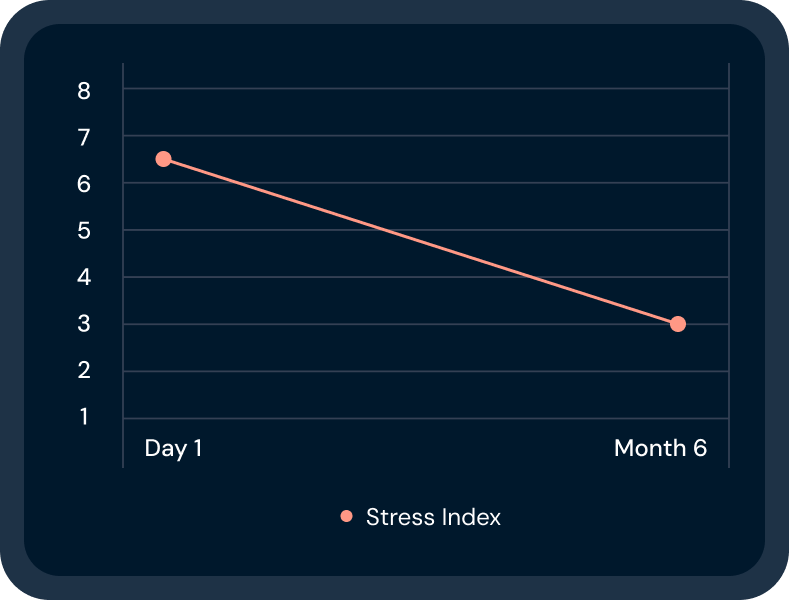
Consistently low stress index of 1.5–4.5 after 6 months.
I joined yōjō just after one of the most stressful periods of my life, and it changed everything.
I suddenly felt calmer, clearer, and more in control.

Louise
What we saw
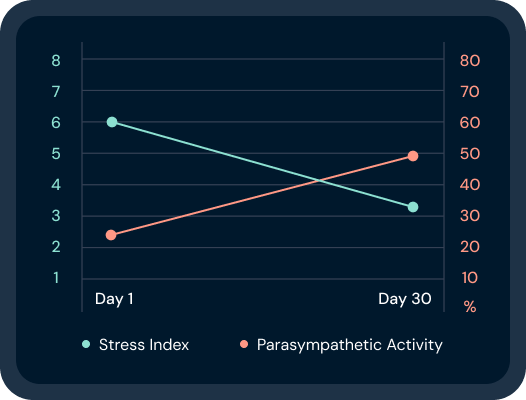
Stress index down 45%, parasympathetic activity doubled in 4 weeks.
How It Works
A small daily ritual for better mental health
Balance your nervous system and find peace you can feel.
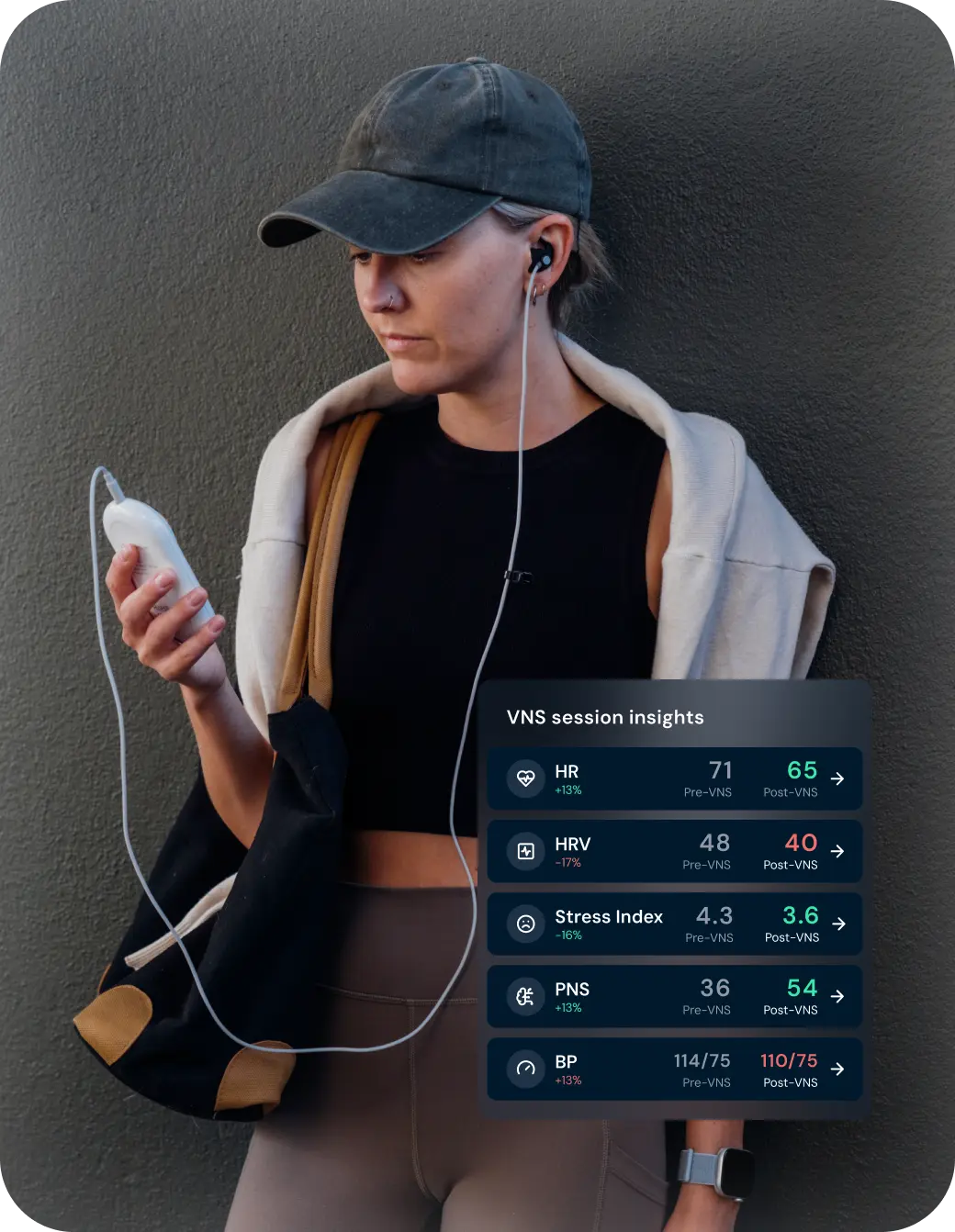

Scan
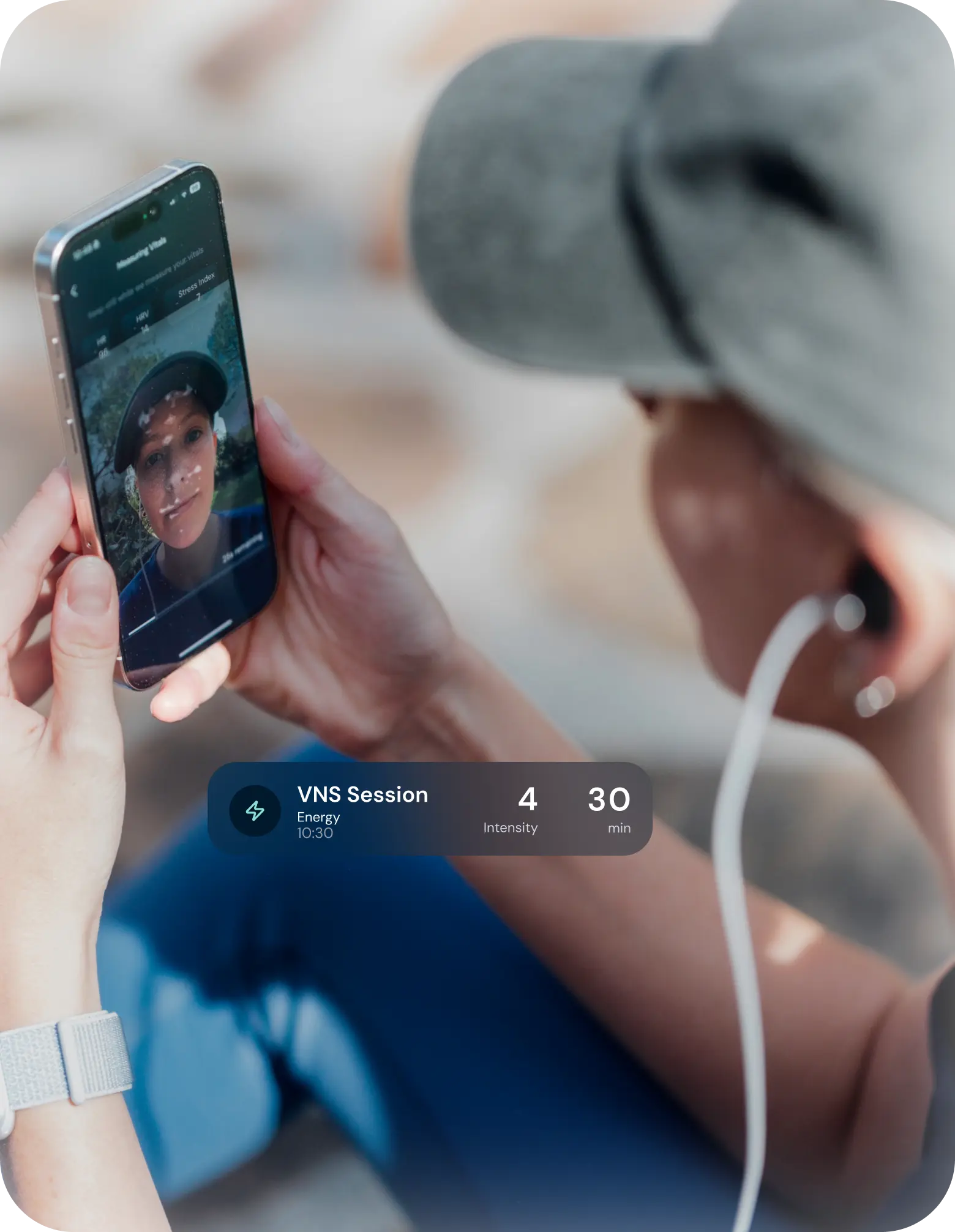
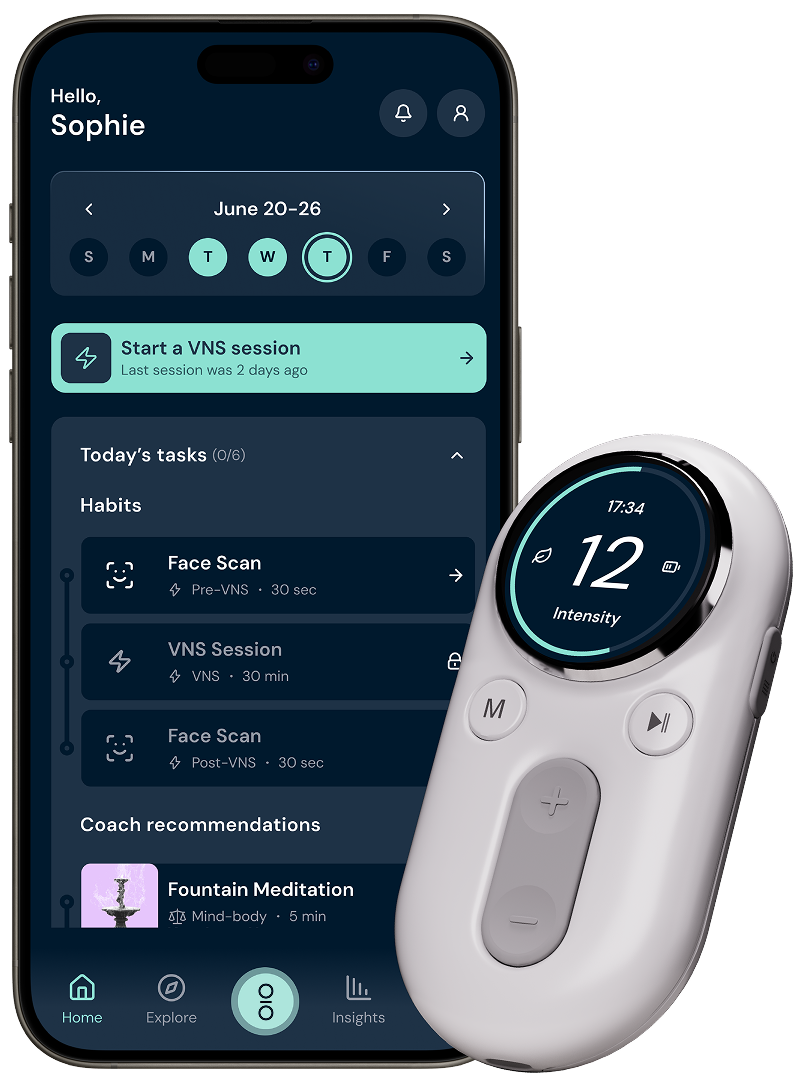
Capture pre-session metrics through a 30-second selfie.

Session
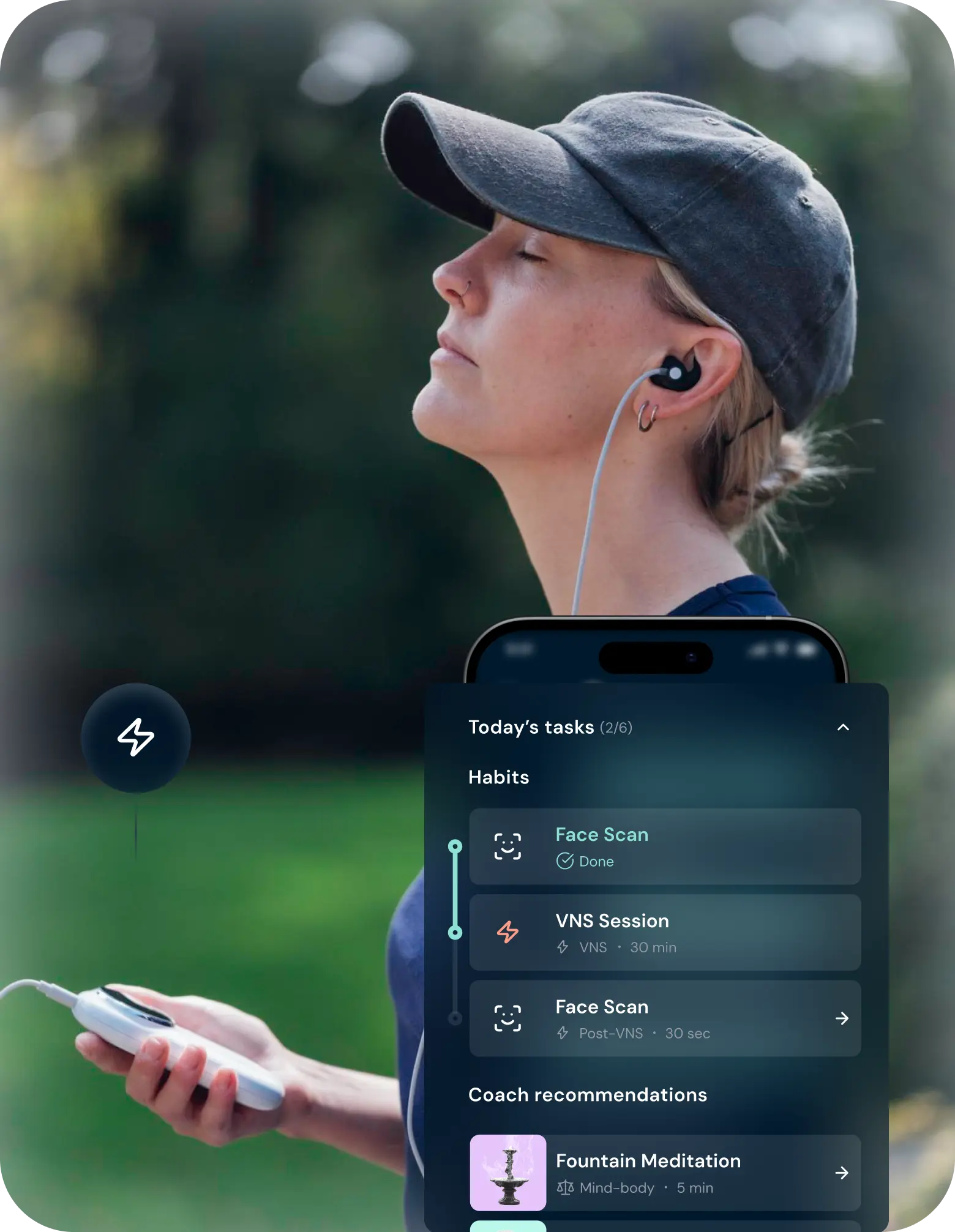
Complete a 30-minute ear-based vagus nerve stimulation session. Completely hands-free.

Result
Capture post-session metrics and see the session’s impact on your nervous system balance.
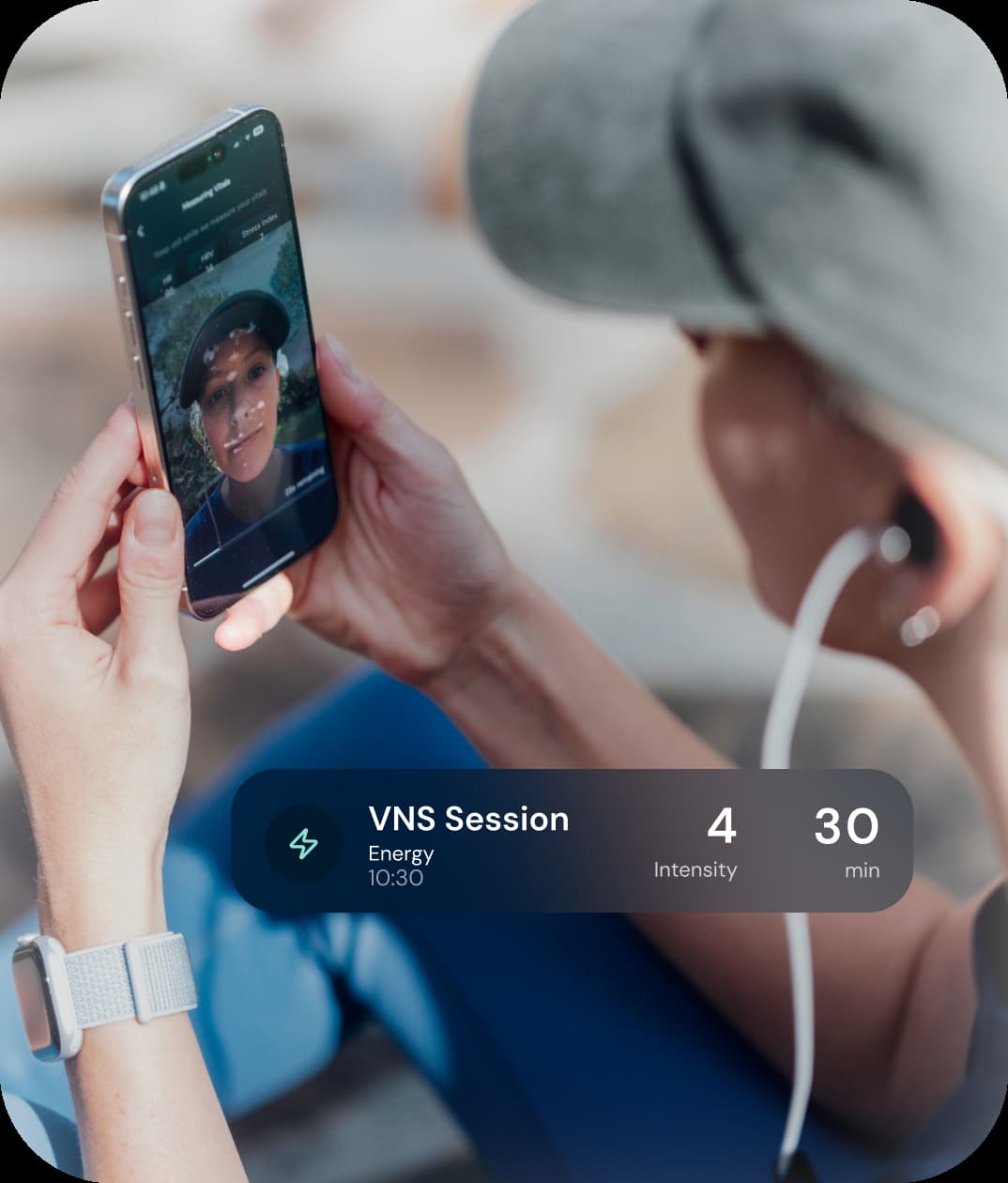
Scan
Capture pre-session metrics through a 30-second selfie.
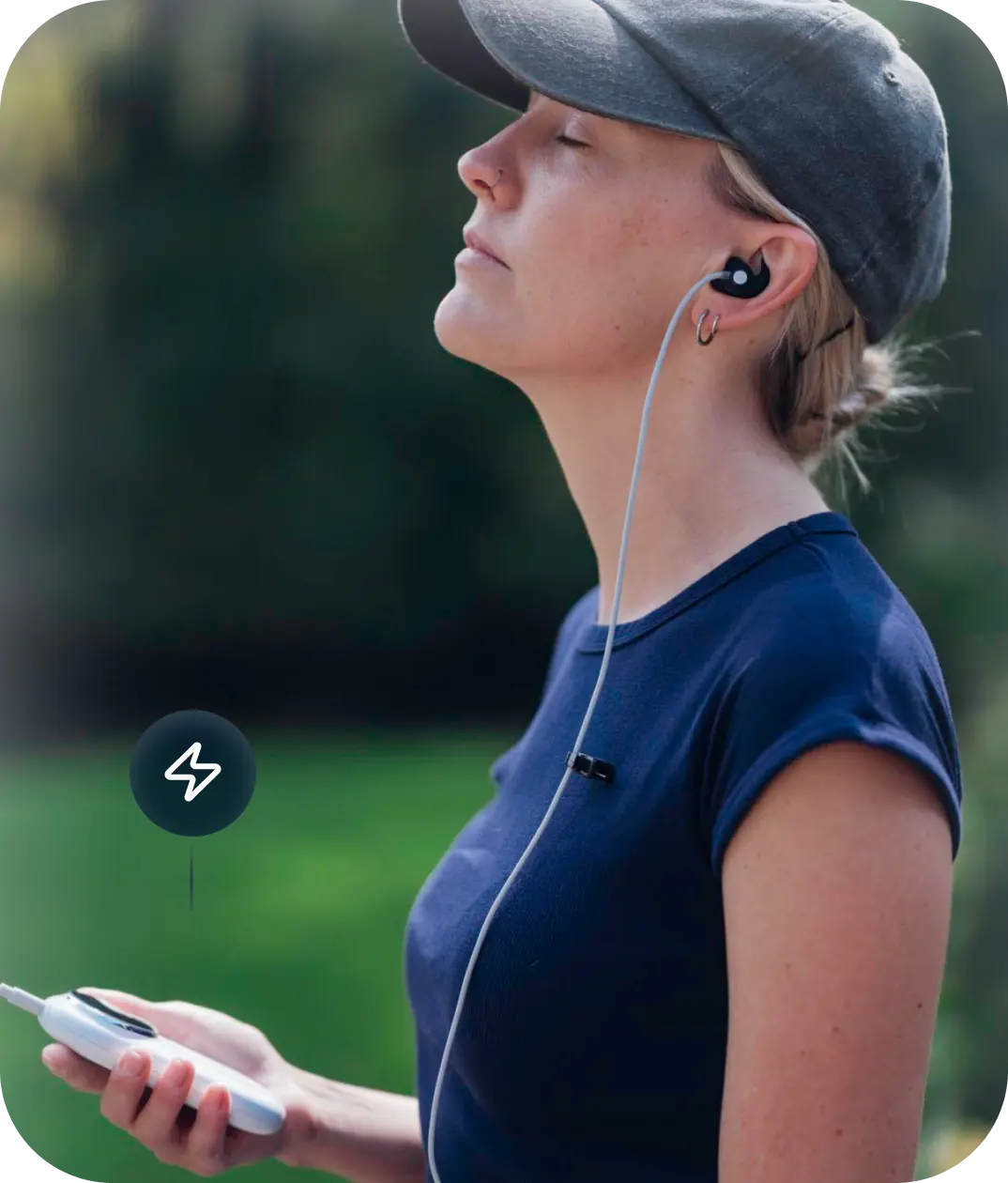
Session
Complete a 30-minute ear-based vagus nerve stimulation session. Completely hands-free.
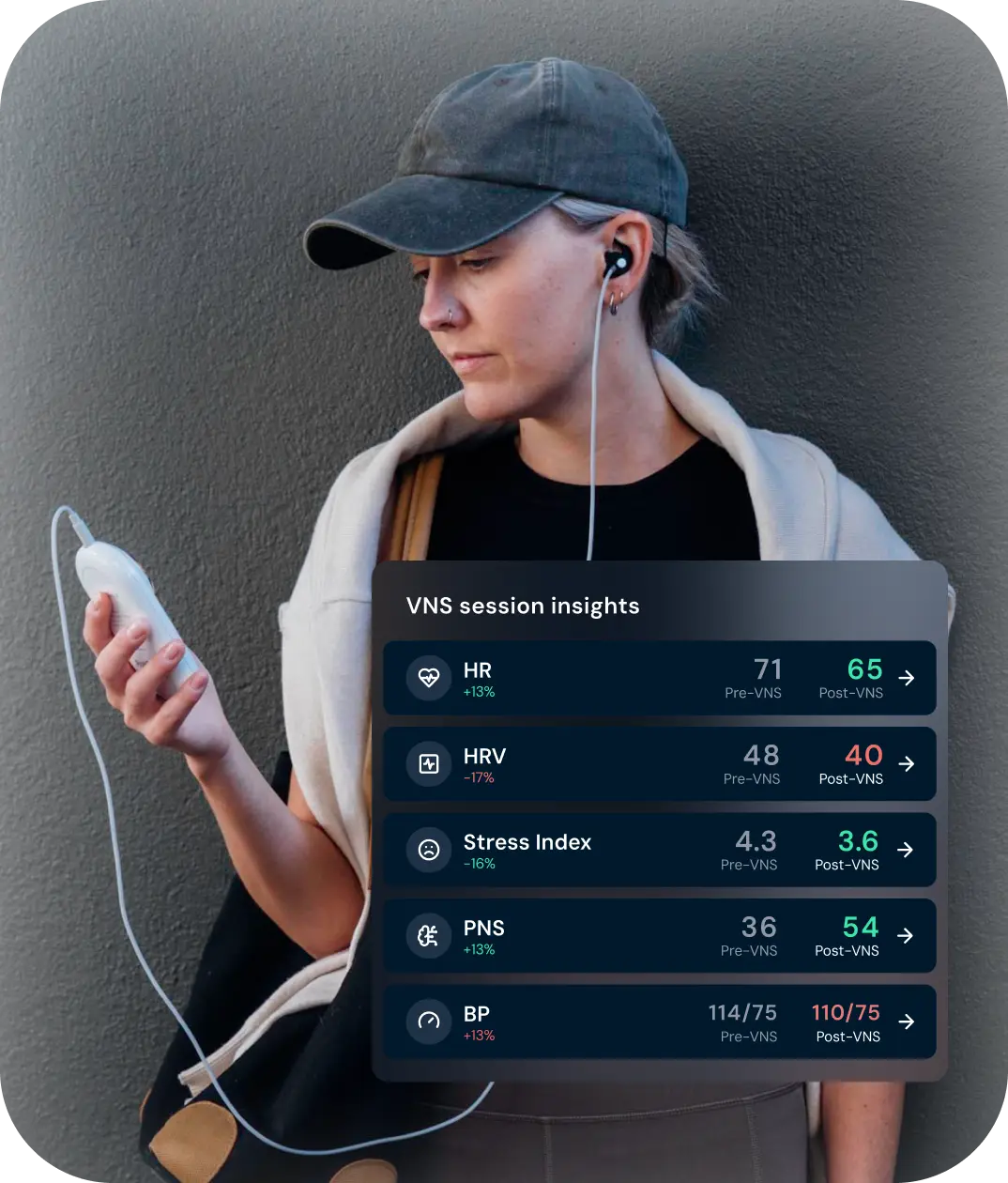
Result
Capture post-session metrics and see the session’s impact on your nervous system balance.

Pricing
Ready to feel like yourself again?
Just 2 weeks to better sleep — or your money back
£4000+
with yōjō:
£399
90% off
See what’s included with yōjō


£399

90-day money-back guarantee
yōjō taVNS* Device
£299
once-off
Yours to keep

Earpiece
Charger
Conductive gel
Carry case
*Electrical vagus nerve stimulation delivered through the skin of your ear
yōjō Platform
£9.99
/month
First 2 months free
Personalized program
Real-time biofeedback
Personal human coaching
Health education
Your subscription auto-renews after 12 months - £9.99/month or £110 annually upfront.

Cancel anytime and keep your device


Blog
Explore the science of better living

Article
May 8, 2026
time
-min
read
My yōjō Journey and What I Didn’t Expect
When I first started using yōjō back in December, I approached it the way I approach most wellness tools: open-minded but measured. Here’s what happened.
As a GP, I understand the science behind vagus nerve stimulation. I know the vagus nerve is the body’s master regulator, that it connects the brain to the body, and that it governs that all-important shift from ‘fight-or-flight’ into ‘rest-and-digest’. I know the mechanism, but I don’t think I really expected the impact.
I definitely wasn’t prepared for how much of a difference I would feel.
How I yōjō
My routine is simple.
Every night, when I go to bed, I grab my yōjō. I apply the gel to the earpiece and pop it in my ear. I find a comfortable intensity and then just let the gentle electrical pulses do their thing.
I also use it during the day when I remember. This is becoming more frequent because the benefits have become harder to ignore.
The sensation took a little getting used to — little electrical zaps that you have to set to your comfort level — but it quickly became something I looked forward to rather than something I had to remind myself to do.
What surprised me most
Sleep. Sleep. Sleep.
I’ve always been someone who can lie awake, mind whirring, tossing and turning for hours before finally dropping off. In the first few days of using yōjō, I noticed I was falling asleep faster.
At first, I put this down to coincidence, a good few days, or a placebo effect. But now, several months in, I can say with confidence that it is none of these.
On the nights I use yōjō versus the nights I don’t, there is a noticeable difference.
My Garmin data backs this up, too: sleep quality has genuinely improved, not just my perception of it. And that matters to me as someone who values having objective data alongside improvements in how I feel.
Getting to sleep faster has been the biggest win.
Anyone who knows that particular frustration of lying in the dark, wide awake, brain refusing to switch off, will easily understand just how significant this has been.
A shift in how I think about my nervous system
Something I didn’t anticipate was how using yōjō would make me more intentional about my parasympathetic nervous system more broadly.
Understanding something intellectually and actively working on it are two different things. yōjō has brought vagal tone into my daily awareness in a way that’s spilled over into other habits.
I now use the physiological sigh regularly — a double inhale through the nose followed by a long exhale — which is one of the fastest ways to manually activate your parasympathetic nervous system. It’s the kind of technique I’ve always known about, but yōjō has made me more motivated to layer these practices together.
I feel more in control of my own nervous system regulation, and that feeling of agency is something I hadn’t expected to value as much as I do.
Would I recommend it?
I started this journey curious. I’m continuing it as a genuine convert.
Whether you’re someone who struggles to wind down at night, feels chronically overstimulated, or simply wants to feel more grounded in your own body, yōjō offers something that is both accessible and, in my experience, genuinely effective.
The science was always there. And now I’ve felt it for myself.


Article
July 10, 2026
time
-min
read
Why Am I Wired but Tired — Even After Sleep?
While it feels like a sleep thing, feeling wired but tired is more a sign of nervous system dysregulation.
You slept. Properly. Not just an hour or two, but a full night. You canceled the meeting that was draining you, and your bloodwork came back fine, yet your body feels like it's bracing for something.
There is a reason you're feeling “wired but tired”, and it is why almost everything you try to fix the problem fails.
Let’s look at the wired part, then the tired part, before moving on to sleep.
Wired
Over time, chronic stress not only keeps the stress response going, but it also damages the mechanisms that are supposed to end it.
The stress response is managed by a system in the brain called the HPA axis.
Under normal stress, this system releases cortisol — a stress hormone — and then switches off. Under chronic stress, the off switch stops working.
Cortisol levels stay elevated. The nervous system keeps producing alerting chemicals, keeping the brain on edge even when there's nothing to be on edge about.
The nervous system can't easily tell the difference between an active threat and a habitual one. After enough time on high alert, it starts to treat that state as normal. The alarm doesn't turn off because the system has decided quietly and incorrectly that this is just how things are now.
This is the wired part.
Tired
There's a second consequence of sustained stress: low-grade inflammation.
Your fight-or-flight response evolved to prepare the body for injury. So stress primes an inflammatory response just in case you get hurt. Under chronic stress, that response never fully switches off. Inflammatory signaling proteins called cytokines stay elevated in your blood.
These pro-inflammatory cytokines talk directly to your brain, and their message is simple: there is an emergency, and we need to save energy for it. The brain responds with a set of changes that we all associate with being sick: deep fatigue, low mood, reduced motivation, social withdrawal, and difficulty thinking clearly.
What these days is often taken for weakness is merely an energy-saving strategy. Your body is doing exactly what it is built to do. It has just incorrectly decided that the threat is still active.
This is the tired part.
Why sleep doesn't fix it
Sleep can’t resolve this problem because sleep happens on top of this high-alert state.
In a healthy system, cortisol is highest in the morning and lowest at night. This helps regulate when you feel awake and when you feel sleepy. Under chronic stress, this rhythm gets disrupted. Your nervous system stays activated into the evening, making it harder to fall asleep and less likely for sleep to feel restorative.
Getting out of this loop requires nudging your body out of stress mode and into recovery mode.
And your vagus nerve is key here. It helps manage inflammation and is the pathway your body uses to switch from stress to rest.
What the target actually is
The underlying issue is an imbalance in the autonomic nervous system. The alert system is stuck and becoming sensitive to threat signals while the recovery system has lost its grip. The fix, then, has to address that directly.
The target is vagal tone.
Not a one-off reset, but a consistent practice that gradually shifts the nervous system back toward balance.
Evidence suggests that regular activation of the recovery system — through breathwork, vagus nerve stimulation, and structured recovery practices — can build resilience against chronic stress. It can reduce the inflammatory signals driving fatigue and help the nervous system relearn what calm feels like.
Wired but tired has a specific mechanism and specific target. A binge of sleep will help in many other ways, but for this dysregulation, small, repeated inputs matter more than dramatic resets.

Article
June 26, 2026
time
-min
read
How the Vagus Nerve Affects the Immune System
What if the way you have always thought about your immune system is only half the story?
Most of us were taught that the immune system is the body's army. It fights off invaders, clears out damaged cells, and keeps us safe from infection. That framing is not wrong, but it is incomplete and affects how we understand chronic inflammation, fatigue, and so many of the modern health struggles people face every day.
Not just a defense force, your immune system is a communication network, and the vagus nerve is one of its most important lines of conversation.
The immune system is everywhere
Here is something that might surprise you. Immune cells are not sitting in one place waiting to be called into battle. They live in every organ in your body, including your brain, your gut, your heart, your lungs, and your skin. They are constantly sampling their environment, sending and receiving signals, and reporting on the state of surrounding tissue.
Your immune system is in ongoing dialogue with your organs and your nervous system, and the vagus nerve sits right at the center of that conversation.
If your nervous system is the postal service, then the vagus nerve is the main highway that runs through every town. Immune cells along that route are the local post offices, constantly sending letters up the line and receiving instructions back. When that highway is functioning well, communication is fast, accurate, and balanced. When the road is damaged or congested, messages get lost or distorted, and things start to break down.
The neuroimmune axis
Scientists have a name for this relationship between the nervous and immune systems. They call it the neuroimmune axis, and the vagus nerve is its primary physical structure.
In fact, a large portion of the signals your brain receives about what is happening in your body do not come from pain receptors or sensory organs. They come from immune cells.
Your immune system is one of the main sources of information flowing into the vagus nerve, which means your sense of how safe, energized, or unwell you feel is shaped in part by the state of your immune function.
Acetylcholine and the cholinergic anti-inflammatory pathway
When the vagus nerve is active and well-toned, it releases a neurotransmitter called acetylcholine. This molecule has a remarkable and underappreciated job: it directly calms immune cells, specifically macrophages, which are major producers of inflammatory signals in the body.
When acetylcholine binds to these cells, it tells them to slow down the production of inflammatory cytokines — molecules that allow signals to travel between immune cells — slowing the spread of inflammation.
This is what researchers call the cholinergic anti-inflammatory pathway, one of the most elegant self-regulating systems in the human body.
Imagine a fire crew that not only responds to fires but also goes around town checking smoke alarms, fixing faulty wiring, and training residents so that fires are less likely to start in the first place.
That is closer to what the vagus nerve does for immune regulation through this pathway. It does not just react to inflammation, but actively keeps it in check, around the clock, as long as it has the tone and activation it needs to do so.
When vagus nerve tone is low, this system weakens. Immune cells become more reactive, inflammatory cytokine signals build up without adequate counterbalances, and the body begins to feel the effects in ways that often get labelled as mysterious or hard to explain.
What this means for you
Understanding the neuroimmune axis changes our thinking from how to suppress inflammation after it has already started to how to support the vagus nerve, so that the body will regulate itself more effectively.
Vagus nerve stimulation, whether through breathwork, specific frequencies, or targeted device-based approaches, is one of the most promising areas of emerging research in this space.
At yōjō, this science is at the core of how we think about building tools and practices that support the nervous system from the inside out.
The yōjō VNS protocol is designed specifically to help rebuild that capacity.
Consistent, targeted stimulation of the vagus nerve helps restore the tone and signaling strength the nerve needs to function well. Over time, this means the nerve becomes more capable of sending and receiving the communication signals that keep your immune cells calibrated, your inflammatory response balanced, and your organs in genuine conversation with your nervous system.
It is not a quick fix. It is a gradual restoration of something the body was always meant to do on its own.
Your immune system was never just a fighter. It has always been listening. The question is whether your vagus nerve has the strength to answer.
FAQs
Got questions? We’ve got answers.


Ph.D.
Lead of Clinical Well-Being
Public health, fitness, academia, and MedTech specialist, Atkinson has 25+ years in turning research into real-world impact.



DC, AFMCP, AcuP
Vagal Health Advisor
Director at large of the Vagus Nerve Society and author of Activate Your Vagus Nerve, Habib has 15+ years of experience in chiropractic and functional medicine.

Ph.D.
Behavioral Psychology Advisor
Associate Professor of Public Policy, Business Administration, and Psychology, and world-renowned behavioral scientist, Adams has 21+ years of experience and focuses mainly on processes that drive better decision-making.

M.D., Ph.D., FASRA
Chief Medical Officer
Professor Emeritus of Anesthesiology, Orthopaedics, and Pain Medicine at the University of Florida College of Medicine, Boezaart has 35+ years of clinical expertise and champions evidence-based, person-focused strategies to improve quality of life.