

Blog
Exploring the science, habits, and tools that keep your body and mind balanced.

New

Article
May 8, 2026
time
-min
read
My yōjō Journey and What I Didn’t Expect
When I first started using yōjō back in December, I approached it the way I approach most wellness tools: open-minded but measured. Here’s what happened.
As a GP, I understand the science behind vagus nerve stimulation. I know the vagus nerve is the body’s master regulator, that it connects the brain to the body, and that it governs that all-important shift from ‘fight-or-flight’ into ‘rest-and-digest’. I know the mechanism, but I don’t think I really expected the impact.
I definitely wasn’t prepared for how much of a difference I would feel.
How I yōjō
My routine is simple.
Every night, when I go to bed, I grab my yōjō. I apply the gel to the earpiece and pop it in my ear. I find a comfortable intensity and then just let the gentle electrical pulses do their thing.
I also use it during the day when I remember. This is becoming more frequent because the benefits have become harder to ignore.
The sensation took a little getting used to — little electrical zaps that you have to set to your comfort level — but it quickly became something I looked forward to rather than something I had to remind myself to do.
What surprised me most
Sleep. Sleep. Sleep.
I’ve always been someone who can lie awake, mind whirring, tossing and turning for hours before finally dropping off. In the first few days of using yōjō, I noticed I was falling asleep faster.
At first, I put this down to coincidence, a good few days, or a placebo effect. But now, several months in, I can say with confidence that it is none of these.
On the nights I use yōjō versus the nights I don’t, there is a noticeable difference.
My Garmin data backs this up, too: sleep quality has genuinely improved, not just my perception of it. And that matters to me as someone who values having objective data alongside improvements in how I feel.
Getting to sleep faster has been the biggest win.
Anyone who knows that particular frustration of lying in the dark, wide awake, brain refusing to switch off, will easily understand just how significant this has been.
A shift in how I think about my nervous system
Something I didn’t anticipate was how using yōjō would make me more intentional about my parasympathetic nervous system more broadly.
Understanding something intellectually and actively working on it are two different things. yōjō has brought vagal tone into my daily awareness in a way that’s spilled over into other habits.
I now use the physiological sigh regularly — a double inhale through the nose followed by a long exhale — which is one of the fastest ways to manually activate your parasympathetic nervous system. It’s the kind of technique I’ve always known about, but yōjō has made me more motivated to layer these practices together.
I feel more in control of my own nervous system regulation, and that feeling of agency is something I hadn’t expected to value as much as I do.
Would I recommend it?
I started this journey curious. I’m continuing it as a genuine convert.
Whether you’re someone who struggles to wind down at night, feels chronically overstimulated, or simply wants to feel more grounded in your own body, yōjō offers something that is both accessible and, in my experience, genuinely effective.
The science was always there. And now I’ve felt it for myself.
.png)
Article
September 16, 2026
time
-min
read
Meet Your Coach Dr. Ayesha Bradlow
“I didn’t think the coach was a human, so I didn’t engage.”
We’ve heard this quite a lot from yōjōers, and potential yōjōers have said they wouldn’t want another chatbot in their lives. We realized we hadn’t done enough to show that yōjō well-being coaches are human, that real fingers are tapping away on the other side of the chat, and that online coaching sessions are between humans. So we sent a film crew to interview Ayesha, yōjō’s well-being coach, to show that every yōjōer has a gloriously human professional supporting their journey.
Showing
items out of
Filtering by:

.png)
Article
January 23, 2026
time
-min
read
What Is the Vagus Nerve, and What Does It Do?
Here’s a simple look at something gaining attention in wellness, and why it can change how your body responds to stress.
If you’re wellness aware, you’ve probably heard of the vagus nerve. And, if you’re smart enough to be skeptical of praises and promises in the wellness space, you’re probably looking to know more about the “body’s calm switch” and why this one nerve can do so much.
What is it? Where is it in the body? What information does it carry? How does it help the body to regulate?
Simple answers to these questions will help you better understand the vagus nerve’s influence on stress, digestion, inflammation, mood, and social connection. It will become clear why this particular nerve is becoming more prominent for well-being and why vagus nerve-based therapies and interventions often produce broad effects, rather than isolated symptom changes.
Let’s take a quick wander around what has been called “The Wanderer”.
The vagus nerve and its connections
The vagus nerve — 10th cranial nerve — is the longest of the cranial nerves and the primary component of the parasympathetic nervous system. Its name comes from the Latin vagus, meaning “wandering,” reflecting its path from the brainstem through the neck, chest, and abdomen, connecting your brain to your heart, lungs, gut, liver, spleen, and kidneys.
It was first described in the second century by Galen of Pergamon, a prominent Roman physician. He recognized the vagus nerve’s importance for vitality and linked it to life force.
Despite being talked about as a single nerve, the vagus nerve is actually a pair of nerves running down the sides of your body. And despite being spoken of as a motor nerve, the vagus nerve is mostly sensory.
Roughly 80% of its nerve fibres are afferent, carrying sensory information from the body to the brain. The other 20% send signals from the brain to the organs.
This makes the vagus nerve less of a command system and more of an information superhighway coordinating multiple systems to help maintain homeostasis — the body’s internal balance, especially when it comes to stress, recovery, digestion, and feeling safe.
It is involved in heart rate, blood pressure, breathing, digestion, immunity, mood, speech, and even taste.
In practical terms, the vagus nerve helps your body do three key things:
Calm down after stress
The vagus nerve is a core part of the parasympathetic “rest-and-digest” system. It counterbalances the fight-or-flight response and helps bring the body back into balance once a challenge has passed.
One of its roles is acting as a “vagal brake” on the heart, gently slowing the heart rate and supporting a state of calm, flexible alertness rather than constant tension.
It’s also a major pathway in the microbiome–brain–gut axis, enabling gut activity and microbial signals to influence mood, cognition, and emotional regulation.
This helps explain why chronic stress often shows up as digestive issues — and why improving nervous system regulation can change how the body responds to stress overall.
Manage inflammation
The vagus nerve helps keep inflammation in check.
Through a built-in inflammatory reflex, it can signal the immune system to reduce excessive inflammatory responses, helping protect the body from chronic, stress-related inflammation.
When inflammation rises in the body, afferent vagal fibers signal the brain. In response, efferent vagal pathways help dial down excessive immune activity through a mechanism called the cholinergic anti-inflammatory pathway — CAP for short.
CAP is a loop involving the vagus nerve and acetylcholine, a neurotransmitter.
- Your body detects inflammation and lets your brain know by sending signals up the vagus nerve.
- The brain sends a signal back down the vagus nerve, calling for the release of acetylcholine.
- Acetylcholine, once released, finds immune cells called macrophages and attaches to specific receptors on the cells.
- The cells stop releasing inflammatory chemicals.
It may seem like immune suppression, but this regulatory process is essential for long-term resilience because it prevents overreactive immune responses.
Feel safe
The polyvagal theory suggests that for mammals, being social is a biological necessity for regulating our bodies and surviving. We use social cues (like a soothing voice or a smile) to tell each other's nervous systems that we are safe, which turns off the defensive, inflammatory systems. And the vagus nerve is central to this sociality.
Through its connections with muscles of the face, throat, and ears, the vagus nerve helps regulate facial expression, vocal tone, listening, and speech.
This, according to the theory, is why a sense of calm, and its opposite, can spread around a room.
Balance is key
The vagus nerve isn’t really a switch you flip. That has been a handy analogy, but it doesn’t explain how complex and nuanced the vagus nerve’s work is.
It’s more like a learning pathway, continuously updating the brain about internal states and shaping how the body responds to stress, connection, recovery, and challenge.
Lasting calm emerges when regulatory systems are trained, consistently and gently, to identify threats, recognize safety, and adapt quickly but never too much of one and not enough of the others. Homeostasis is the final and most vital goal.
And that’s why working with the vagus nerve tends to change more than one thing at a time.

Article
January 9, 2026
time
-min
read
Five Easy Ways to Support Your Vagus Nerve
Your vagus nerve plays an important role in helping your body manage stress, digestion, and recovery. Here are five simple, everyday ways to support it.
The vagus nerve is a key part of the body’s system for calm and regulation. It helps influence heart rate, digestion, immune responses, and how the body adapts to stress. Vagal activity is associated with resilience and recovery.
In today’s fast-paced world, ongoing stress can place extra demand on the nervous system. When the body struggles to shift out of a constant “on” state, this may contribute to challenges such as poor stress regulation, inflammation, or digestive discomfort.
There are clinically studied ways to stimulate the vagus nerve, including non-invasive vagus nerve stimulation (nVNS). Alongside these, there are also simple, natural practices that may help support vagal activity as part of everyday life.
Embrace the cold
Brief cold exposure can encourage activation of the parasympathetic nervous system. This might include a short cold shower, a dip in cool water, or even splashing cold water on your face. These experiences can prompt the body to shift toward a calmer, rest-and-digest state.
Breathe mindfully
Breathing is one of the few automatic bodily processes you can consciously influence. Slow, deep breathing that engages the diaphragm can help signal the body to relax, supporting heart rate regulation and parasympathetic activity.
Try this
Place one hand on your chest and the other on your stomach.
As you breathe in through your nose, allow your belly to rise while keeping your chest relatively still.
Exhale slowly through your mouth.
This style of diaphragmatic breathing can help support vagal function and encourage a calmer physiological state.
Sing, hum, chant … or gargle
The vagus nerve has branches that connect with the muscles of the throat and vocal cords. Activities such as singing, humming, chanting, or even gargling can create gentle vibrations in this area, which may help stimulate vagal pathways.
Get moving
Physical activity supports the nervous system as well as the muscles. During exercise, the body becomes more alert, while recovery afterward relies on parasympathetic activity to restore balance. Over time, this process can help train the nervous system to move more efficiently between states of activity and rest.
Regular movement is associated with better stress recovery and overall nervous system health.
Socialize and laugh
Social connection plays a meaningful role in nervous system regulation. Spending time with others, sharing positive experiences, and laughing can support parasympathetic activity and are linked to lower stress levels and improved heart rate variability.
Supporting your vagus nerve doesn’t require dramatic lifestyle changes. Small, consistent practices can help create the conditions for better balance and resilience over time.
For those seeking a more targeted approach, non-invasive vagus nerve stimulation (nVNS) is a clinically studied option designed to stimulate the vagus nerve safely and effectively.
.webp)
Article
December 11, 2025
time
-min
read
What Everyone Gets Wrong About Burnout
Burnout isn’t a character flaw. It’s biological. Here’s what’s really happening beneath the surface, and how to restore balance.
Burnout is a state of emotional, physical, and cognitive exhaustion caused by prolonged stress. It’s marked by depleted energy, reduced motivation, and a sense of detachment from work or life.
Most conversations about burnout circle the same three ideas:
- You’re no longer aligned with your work.
- The cult of productivity won’t let you rest.
- Your mindset needs a reset.
All true — but they miss the real point.
Burnout feels philosophical, even spiritual, but at its core, it’s biological. Down-and-dirty, animal biology. It’s what happens when your body’s survival systems forget how to stand down.
Your stress response was built for short bursts of action. A chase. A threat. A deadline. When those bursts never end, the stress never stops — and your body forgets how to switch off, and it’s “all systems go” all the time.
At first, it’s just overdrive. Then, it becomes dysfunctional.
Cortisol floods your system. Your immune response activates. Low-grade inflammation spreads quietly through your tissues. Your brain reads this chemical chatter as a sign of danger. Even when you’re sitting still, your body’s braced for attack.
That’s burnout: a body in fight-or-flight, running on fumes, trying to save energy for life-saving tasks that never come. Your mood drops, your focus fades, you start conserving — not because you’re weak, but because your body thinks it’s protecting you.
And because the stress keeps coming, the inflammation keeps burning. The stress-inflammation-stress cycle loops and loops.
The good news? Low-grade inflammation is manageable — even reversible — when the nervous system is taught how to regulate again.
That’s what yōjō helps people do.
We use science-backed tools — vagus nerve stimulation, biofeedback, and personal coaching — to restore balance to your nervous system and help it remember how to rest, recover, and reset.

Article
November 4, 2025
time
-min
read
Itutu: A Philosophy of Calm
Mastering this mindset helps you tackle life’s little stresses before they snowball.
Chronic stress fuels inflammation. Inflammation fuels disease. And before you know it, you're caught in a cycle that wears down your body, ages you faster, and drains your energy. In short, stress is your enemy. The best way to deal with an enemy is to choose only those battles you can win.
There are the big stresses in life and the small stresses. We hardly need to explore the big stresses; we all know them. There’s no winning against them. They just are, and we do our best to accept them. The small stresses, however, we can conquer the minute they kick up a fuss.
These are the less remarkable, less noticeable stresses. Those dozen or so situations and happenings that tense up your mind just a smidge, like a person tightening a guitar string. Just a little at a time. The tardy bus, the broken shoelace, the spilled coffee, the rude coworker, the winding queue, the stolen seat, all piling on top of each other, turning that mind string until it is so tense your entire being develops a distinct, steely twang.
There may be many, and they may sometimes be hard to see, but one West African approach to life can help you thwart these little enemies and stop them from strumming your nerves with their fingers.
It’s called “itutu.” It is a way of seeing minor stresses and worries that takes the sting out of them.
As The School of Life explains in their video, A Philosophy of Calm, itutu “denotes a particular approach to life: unhurried, composed, assured, and unflappable.” Among the Yoruba people, to “have itutu” is to embody coolness — to meet frustration with poise and to remain untouched by the noise of small misfortunes.
This calm isn’t a divine gift; it can be learned. It’s the fruit of knowing, as the Yoruba say, that some things belong to “àṣẹ” — the natural order — and lie beyond our control.
Anger arises when we overestimate our power to change external reality. Itutu arises when we see the limits clearly and choose peace within them.
Modern science would call this emotional regulation, the ability of the prefrontal cortex to modulate limbic reactivity. When you practice the qualities embodied by itutu, you train your nervous system to stay out of fight-or-flight.
Over time, this translates into measurable benefits: lower cortisol, steadier heart rate variability, reduced inflammation, and potentially improved longevity.
Cultivating this mindset makes you resilient. You learn to save your energy for what truly matters, and your calm becomes your default setting.
Article
October 28, 2025
time
-min
read
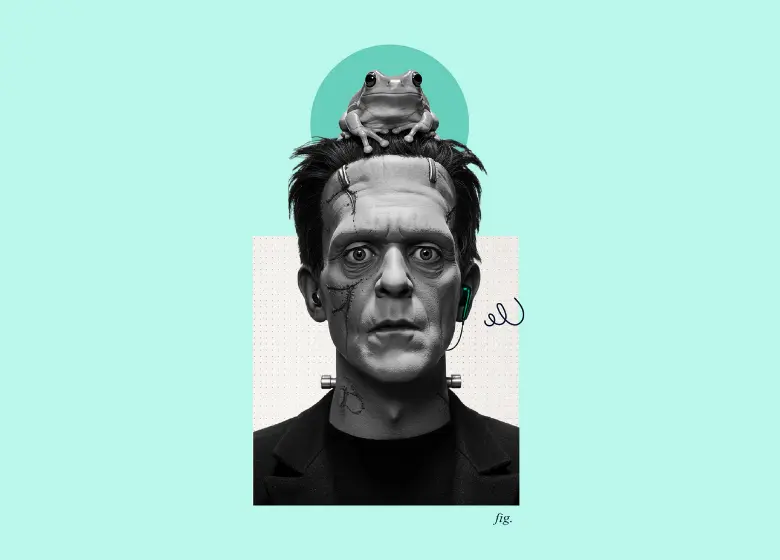
Frogs, Frankenstein, and VNS
The inspiration for Frankenstein is worse than fiction, but instrumental in understanding how nerves work.
A steel table, metal probes, and life-giving lightning are the images accompanying the creation of Frankenstein’s monster. Mary Shelley’s Frankenstein is a glimpse into very real scientific pursuits of the 18th century that formed the foundations of our understanding of nerves and muscle tissue, including the vagus nerve.
While 8-foot human scrapbooks weren’t plaguing Europe, scientists in the 17th and 18th centuries were experimenting with animal reanimation, using electricity. Shelley spent years studying these scientific breakthroughs and took inspiration from the findings when writing Frankenstein.
Science seems to have a fascination with frogs, and the history of understanding nerves has amphibians to thank for their role in early experimentation.
Jan Swammerdam was a 17th-century naturalist and philosopher known for creating the Bybel der Natuure (Bible of Nature) — a collection of studies on insects which, at the time, included frogs. Swammerdam’s interest in frogs had theological and scientific goals: he wanted to prove that all creatures were created by God and governed by the same biological rules. Swammerdam used similar muscle experimentation methods on frogs as those used on larger animals like cats and dogs. He exposed the leg nerves and used sharp instruments to stimulate contractions, showing a closer link between frogs and humans than was previously thought.
Luigi Galvani’s inquiry into reanimation started with a frog, a static electricity machine, and a scalpel. A frog’s leg nerves were exposed near a charged electrical machine when Galvani’s wife touched a nerve with a scalpel, causing the leg to spasm. Noting that the scalpel had been near the static electricity machine shortly before his wife had used it to touch the frog, Galvani formed and tested his theory that electrical force could travel along the nerves to the muscles, causing them to contract. He called this “animal electricity”.
Galvani also found that nerves from one frog could be attached to the muscles of another, and that the muscles from the second frog responded when the nerves were stimulated.
Shortly after Galvani published his findings, another professor of physics named Allesandro Volta disputed the notion of “animal electricity”, causing controversy in the field. By repeating Galvani’s experiments with frogs, Volta concluded that the key to nerve stimulation was in agitating them with two differing types of metal. The more dissimilar the metals, the more intense the reaction. Galvani would later disprove this by using two rods made of the same type of metal to cause muscle contractions. The result of their scholarly dispute? Both were partially right and wrong: there is no “animal electricity”, but nerve stimulation doesn’t require two differing metals to achieve.
Galvani’s nephew, Giovanni Aldini, continued his uncle’s work by publicly animating the corpses of executed criminals. Aldini inserted metal rods into the corpses and stimulated muscle movement with electricity, demonstrating a macabre display of galvanism and leading to questions about bringing back the dead.
These galvanist pursuits weren’t the only inspiration for Shelley — the author cites Erasmus Darwin (grandfather to Charles Darwin) in two editions of her work.
Erasmus Darwin was a physician, botanist, and poet, and amongst his publications on plants and evolution, he wrote on reanimation in dead microorganisms.
Arguably, the most influential figure in crafting Frankenstein was Sir Humphry Davy, a friend of Shelley’s father who allegedly inspired the character Victor Frankenstein.
Davy was a professor of chemistry at the Royal Institution in London, with crowds overfilling his lecture hall to watch his experiments. Davy used Volta’s invention—the electric pile—to investigate and prove that electricity generation depends on a chemical reaction. Shelley used some of Davy’s lectures as dialogue for Victor Frankenstein and tried to capture the professor's passion for understanding nature and his drive to master it.
Non-invasive vagus nerve stimulation (nVNS) is a form of mastery over nature. Short bursts of electrical energy are passed through the vagus nerve to relax the stress response, improve nervous system function, recalibrate certain regions in the brain, and control inflammation. What scientists learned about the effect of electrical impulses on nerves from their experiments hundreds of years ago, we use now to regulate the digestive system, improve mood, and manage chronic pain disorders via the vagus nerve.
Fortunately, nVNS can be done at home, sans steel table and metal probes.
Oops, no results found
We couldn’t find any insights that match your current filters.

Ph.D.
Lead of Clinical Well-Being
Public health, fitness, academia, and MedTech specialist, Atkinson has 25+ years in turning research into real-world impact.



DC, AFMCP, AcuP
Vagal Health Advisor
Director at large of the Vagus Nerve Society and author of Activate Your Vagus Nerve, Habib has 15+ years of experience in chiropractic and functional medicine.

Ph.D.
Behavioral Psychology Advisor
Associate Professor of Public Policy, Business Administration, and Psychology, and world-renowned behavioral scientist, Adams has 21+ years of experience and focuses mainly on processes that drive better decision-making.

M.D., Ph.D., FASRA
Chief Medical Officer
An expert in anesthesiology and specializing in vagus nerve stimulation, André ensures yōjō is safe, effective, and grounded in rigorous scientific research. He also helps develop yōjō's educational resources.